


News Center
News Center
Textile Power (I) in the Winter Olympics -- Opening Ceremony of Beijing Winter Olympics
Release time:
2022-02-12
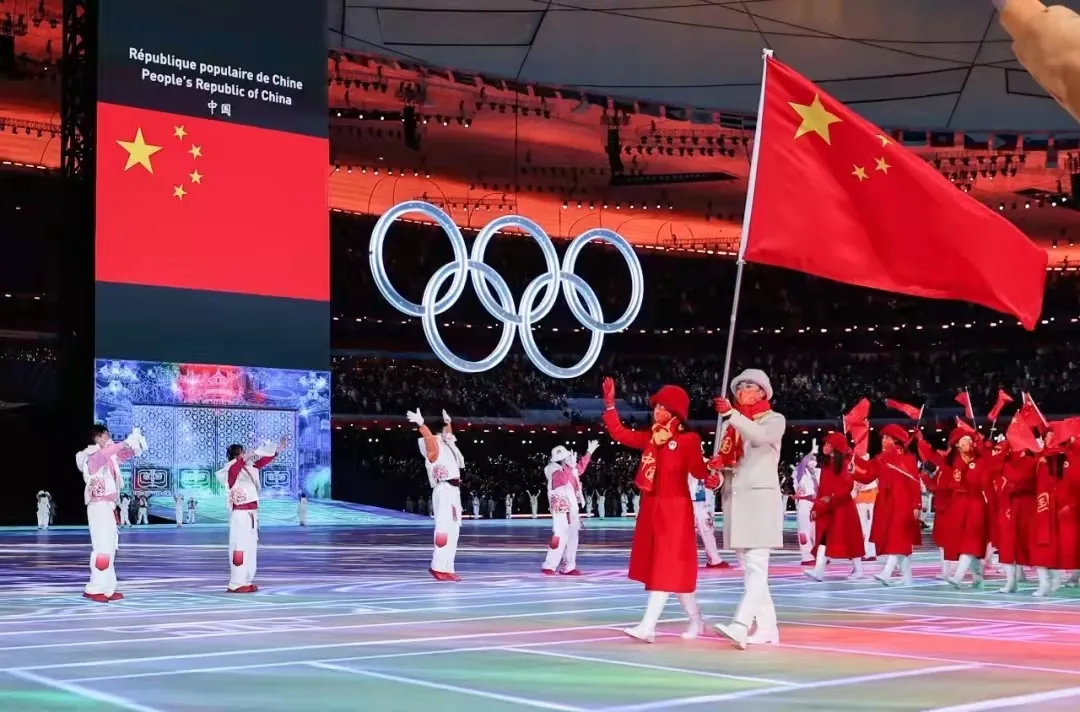
On February 4, the 24th Winter Olympic Games, which attracted worldwide attention, was grandly opened at the "Bird's Nest" in the National Stadium in Beijing, China. So what are the textile elements at the opening ceremony? Let's find out.
Open Column Language
The 2022 Beijing Winter Olympics has 7 major events, 15 sub-events, and 109 minor events. A total of 109 gold medals were produced. Ice and snow athletes have shown their skills in various events. The successful hosting of the Beijing Winter Olympic Games plays a unique role in promoting high-quality development, guiding cutting-edge science and technology, promoting the integration of sports and tourism, building a healthy China, and building a new development pattern. The textile industry is an innovation-driven technology industry, a culture-led fashion industry and a responsibility-oriented green industry, which coincides with the concept advocated by the Beijing Winter Olympics. In the Beijing Winter Olympics, textile elements are everywhere. Therefore, the special issue of "textile power in the Winter Olympic Games" is to help readers perceive the charm of the industry and grasp the market opportunities. This column is expected to 3~5, this issue will introduce the Beijing Winter Olympics opening ceremony of the textile elements.
On February 4, the 24th Winter Olympic Games, which attracted worldwide attention, was grandly opened at the "Bird's Nest" in the National Stadium in Beijing, China. So what are the textile elements at the opening ceremony? Let's find out.
Torch "flying"
The ignition ceremony has always been one of the elements that have attracted much attention in the Winter Olympic Games. In this Winter Olympic Games, "no ignition" is used instead of "ignition", and "micro fire" is used to replace the burning fire, so as to convey the concept of low-carbon and environmental protection green Olympics, and realize an ignition innovation in the history of the Olympic Games. When the torch "flying" took a snowflake and rose in the middle of the bird's nest, it attracted the attention of countless people.
It is reported that the torch developed by Sinopec Shanghai Petrochemical is mainly divided into three parts: the outer ribbon, the inner ribbon and the hydrogen combustion device. The shell should not only resist fire and high temperature, but also be able to be used in extremely cold weather. How to withstand the double test of "ice and fire"? The mystery lies in a new type of material-carbon fiber.
Why choose carbon fiber? The first evaluation given to it by the Winter Olympics Organizing Committee is that it is light and very strong, not bad to fall, especially in winter when the torch relay is very cold, traditional metal materials feel bad, composite materials can effectively solve this problem, to avoid a very cold touch. The quality of carbon fiber is only about 1/4 of steel, but the strength is 7 to 9 times that of steel.
The shape of the outer ribbon of the torch "flying" is very special, which is a high-dimensional curved surface, which is an extremely complex special-shaped structural part for engineering manufacturing. The "secret weapon" of "weaving" the torch is a three-dimensional high-precision spherical three-dimensional braiding machine for large-size special-shaped structural parts developed exclusively by Donghua University and pioneered in the world. This series of braiding machines can weave large-size structural bearing parts such as large aircraft and high-speed rail, as well as precision special-shaped structural parts such as propellers, unmanned aerial vehicles and torch outer streamers. It has a total of 576 weaving spindles and can weave a maximum cross-section of 500*500mm. It is currently the world's most powerful and largest three-dimensional spherical three-dimensional knitting machine.

The world's largest three-dimensional spherical three-dimensional knitting machine
The fire of the torch burns out from the inside. Generally, composite materials cannot be burned in the fire, and it will be gone when it is burned at 500 ℃. Shanghai Petrochemical Company and Nuclear No.8 Institute jointly tackled key problems, introduced high-performance resin and made carbon fiber composite materials together with carbon fiber. Finally, through process adjustment, the combustion end of the upper half of the torch was ceramized at a high temperature above 1000 ℃, which effectively solved the problems of blistering and cracking of the torch shell during the high-temperature preparation process, and reached the requirements of both temperature resistance and fire resistance, the normal use of hydrogen combustion environment with combustion temperature> 800 ℃ is realized.
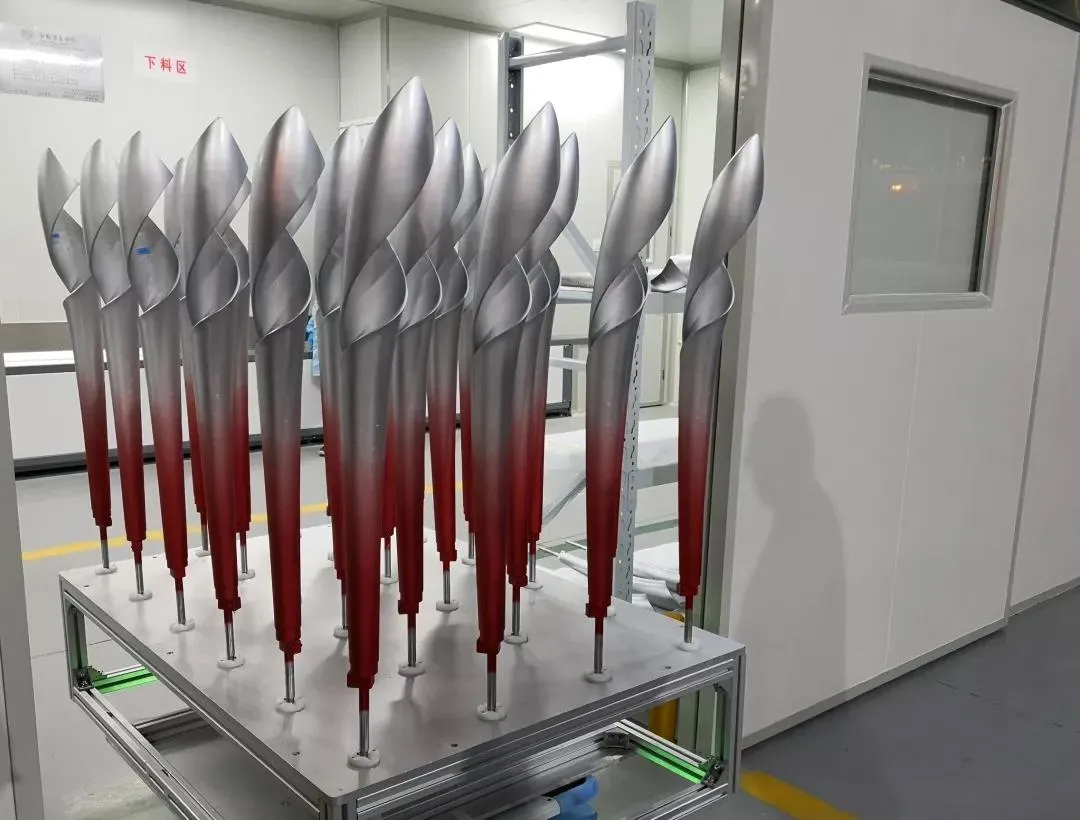
Torch "flying" production scene
Clothing for the Opening Ceremony
In terms of admission clothing, the opening ceremony of the Beijing Winter Olympics has also become a "fashion sports equipment show" focusing on winter sports equipment ".
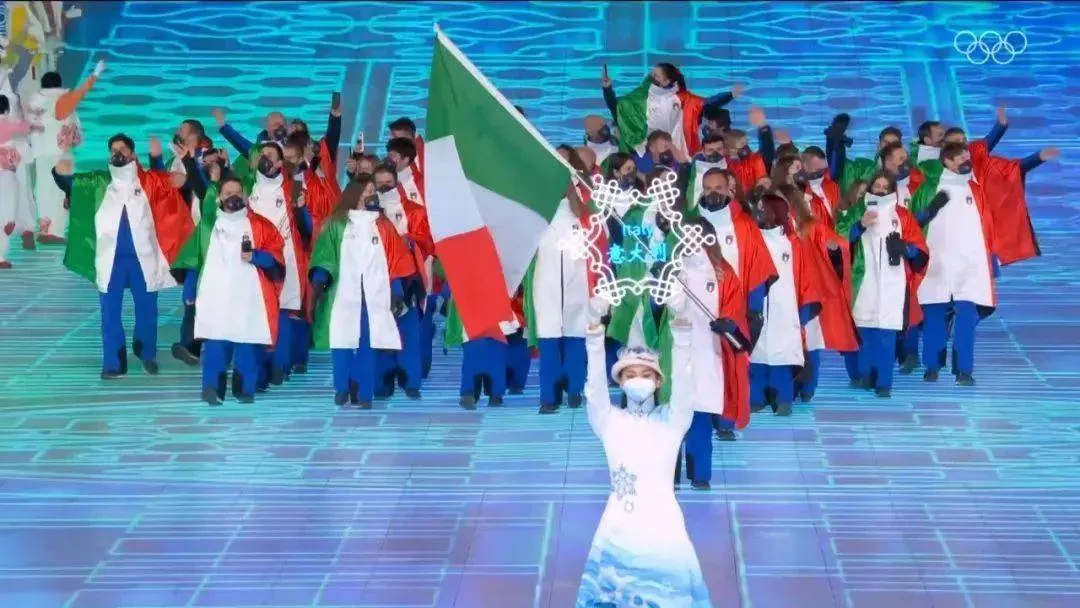
Although most countries focus on winter sports equipment that fits the Winter Olympics, the admission equipment of many countries also shows their own style. Such as Mongolia and Kazakh entrance costume design fully demonstrated the national cultural characteristics. The entrance costume of American Samoa is the most special. On the night of minus 4 degrees in Beijing, the flag bearer is half naked.
Many participating countries also chose local brands, such as Ralph Lauren in the United States, Ben Sherman in the United Kingdom, Le Coq Sportif in France, Desant in Japan, Lululemon in Canada, Adidas in Germany and Armani in Italy.
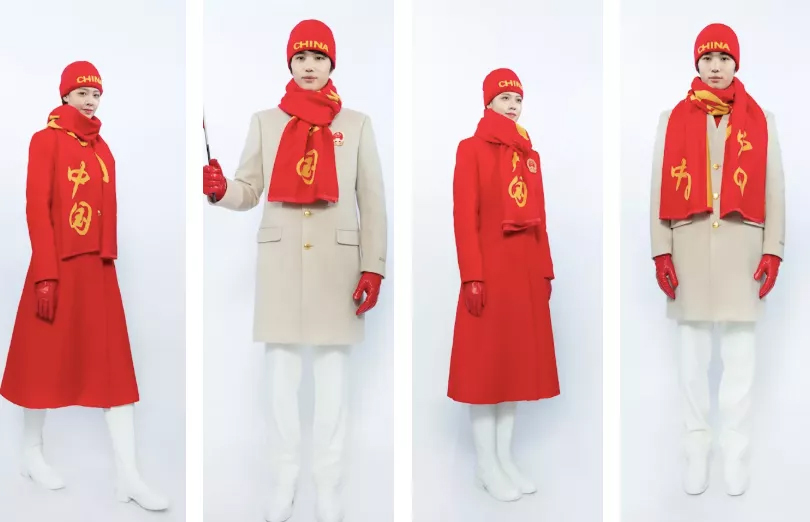
As the host, the 387 members of the Chinese delegation attended the opening ceremony dressed in ceremonial costumes with the theme of "Chinese style" designed by the team of Beijing Institute of fashion. The shape of the garment is mainly simple. Chinese clothing elements are combined with Western clothing tailoring methods. The outer side of the garment cuffs, glove wrists and buttons are decorated with the words "China" plated with gold.

Medical protective mask
In the Bird's Nest, everyone in the audience wore "bright" masks for the opening ceremony of the Winter Olympics. It is understood that this opening ceremony medical protective mask (N95) was independently developed and designed by China, and incorporated Chinese elements such as Beijing Winter Olympics elements, snowflakes, and multiple colors into the appearance design.
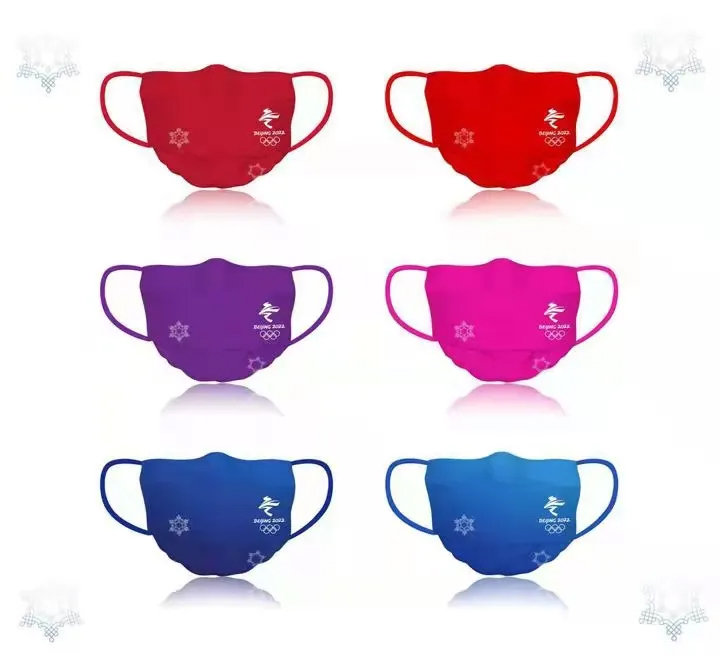
The outer layer of the opening mask is made of high-definition digital printed non-woven fabric to ensure clear and beautiful patterns, and at the same time meet more than a dozen detection indexes such as moisture resistance and flame retardancy required by the medical protective mask standard. A 5mm high elastic and soft ear band is selected to take into account the wearing comfort on the premise of good adhesion.
Through a good close action, real-time face coverage is realized; at the same time, the smaller cavity structure is conducive to reducing the dead space of breathing and effectively improving the breathing efficiency. The mask for the opening ceremony of the Winter Olympics is mainly used to prevent various bacteria, viruses, fungi and other small particles; for submicron infectious pathogens such as SARS, influenza A, Ebola, highly pathogenic avian influenza, and new crown, its filtration efficiency Reach more than 95%. (This article comes from public information)
(source: textile guide official micro)
More information

Follow us
Hello, what can we do for you?
Copyright © Xiantao Dexing Plastic Products Co., Ltd / Xiantao Dexing Health Technology Co., Ltd | Powered by:300.cn
SAF Coolest v1.3.1.2 设置面板 FZUSD-ZSNG-OSSQE-ZWE
无数据提示
Sorry, the current column is being updated, please look forward to it!
You can view other columns or returnHome Page