

News Center
News Center
Yesterday the U. S.-China economic and trade white paper released, revealed what signal?
Release time:
2019-06-04
Yesterday, the Information Office of the State Council issued a white paper on China's position on Sino US economic and trade consultations and held a press conference. The 8300-word white paper introduces the basic situation of Sino-US economic and trade consultations and expounds China's four major positions: 1. Consultations should be mutual respect, equality and mutual benefit; 2. Consultations should be conducted in the same direction and in good faith; 3. China will never give in on issues of principle; 4. No challenge can stop China from moving forward.
Yesterday, the Information Office of the State Council issued a white paper on China's position on Sino US economic and trade consultations and held a press conference.
The 8300-word white paper introduces the basic situation of Sino-US economic and trade consultations and expounds China's four major positions: 1. Consultations should be mutual respect, equality and mutual benefit; 2. Consultations should be conducted in the same direction and in good faith; 3. China will never give in on issues of principle; 4. No challenge can stop China from moving forward.
Among them, it also shows the process of the US side going back on its word three times in the process of economic and trade consultations, pointing out that there have been many twists and turns in Sino-US economic and trade consultations, and the responsibility lies entirely with the US side.
China's attitude is as clear as ever: China will not fear any pressure and is ready to meet any challenges. Talk, the door is open; fight, accompany to the end.
At the press conference, in the face of a reporter's question, "the US side said that it was mainly the Chinese side that suffered in the Sino-US economic and trade frictions, which had little impact on the US side," Wang Shouwen, vice minister of commerce and deputy representative of international trade negotiations, said that there was no winner in the trade war.
Deutsche Bank has calculated that the US stock market has lost $5 trillion in the past 17 months, according to CNBC. In May alone, the value of the US stock market evaporated by more than $3 trillion, equivalent to a "UK" (UK GDP in 2018 was about $2.823 trillion).
Of course, for China, the impact of trade frictions should not be underestimated, and it has a certain impact on the global economy.
So, what kind of signal does this white paper send and what impact will it have on trade frictions? The reporter interviewed several big heads to see their analysis.
1
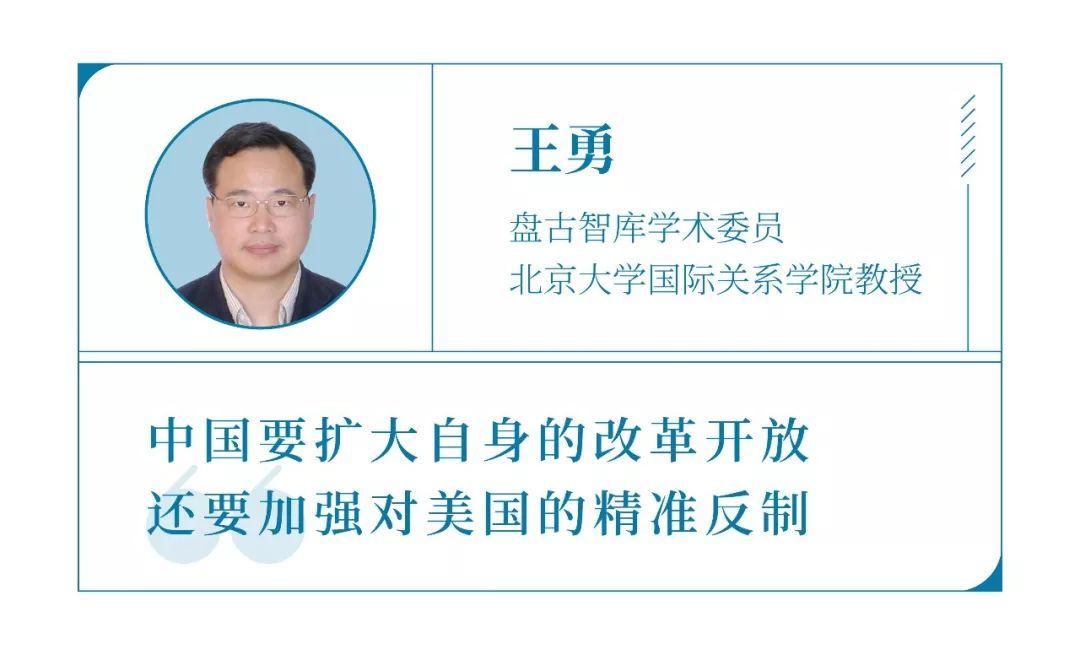
The core message of this white paper is that China hopes to reach a Sino-US agreement in a manner of mutual respect, equality and mutual benefit. The United States has adopted unconventional and irrational means to force China to make concessions and harm China's national interests. This attempt has failed to achieve its goal.
In the next stage of negotiations, China should hope that the United States will effectively adopt a policy of de-politicization and de-security. This is very important, after all, China and the United States have chips in their hands.
China's biggest brand lies in the Chinese market. At the end of 2017, China has become the world's largest domestic market, and the market scale is still expanding. This is something that American companies and the government cannot ignore.
How will China respond? I think we need to be prepared with both hands and be hard on both.
On the one hand, China wants to expand reform and opening up more actively, which is not only the requirement of the United States, but also the need of its own economic transformation and upgrading.
Among them, the domestic economic reform, especially the reform of state-owned enterprises and market-oriented reform, should make substantial progress.
In terms of opening up, China's market access for foreign enterprises should, in accordance with the requirements of the new foreign investment law, truly implement the national treatment of foreign-funded enterprises, and at the same time reduce tariff levels and non-tariff barriers, so as to benefit foreign-invested enterprises and reduce the imbalance of trade between China and foreign countries. at the same time, it can also benefit the domestic people (603883).
On the other hand, China should also strengthen its precise countermeasures against U.S. tariffs and export controls, and cleverly use China's brands in agricultural imports, rare earths, aircraft, automobiles and other industries through forms similar to the establishment of integrity lists. The United States plays a deterrent role.
China's various actions will have a greater impact on U.S. stocks. Trump is said to check the volatility of U.S. stocks every few hours, and even claimed: "If the Dow drops more than 1000 points in a single day, the then president should be loaded into a giant cannon and hit him at a very fast speed. Blow into the sky, don't make excuses."
Therefore, we can improve the art of struggle in this regard and strengthen the study of the United States, including listening to the opinions of international stakeholders.
2
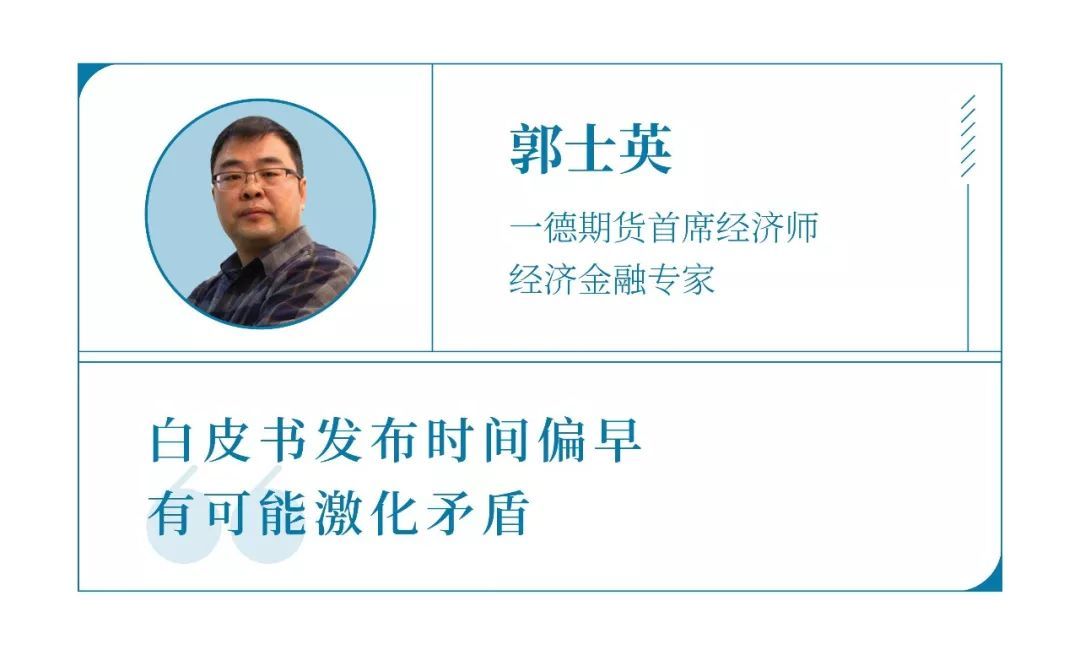
After reading the white paper, I have three impressions:
1. China is very tough, does not want to fight and is not afraid to fight, and is ready to continue to fight. It is no longer the attitude of begrudges and high hopes for negotiations in the past. This major change is estimated to be related to the US side's step-by-step pressure;
2. The responsibility for the breakdown of the negotiations lies with the United States. Although the United States may not necessarily agree with this conclusion, it is a very important political demand at home;
3. China does not intend to budge, China needs the United States to completely eliminate the imposed tariffs, and expects a relatively balanced bilateral negotiation agreement. Is this China's bottom line? It is not clear, and it is estimated that the United States will not compromise or meet our demands. It is more difficult to estimate, so all parties should be prepared for risk response.
Judging from the attitude of the United States and a series of recent measures, it is still a high probability that tariffs will be imposed on US $300 billion of goods exported to the United States in June, and the white paper increases this possibility.
I personally think that China should deal with it calmly after the breakdown of this negotiation. The white paper was released too early, which may intensify the contradiction. It is better to wait until the end of June.
However, compared with Trump's extreme approach and comprehensive attack, China cannot be too weak. Weakness is useless and fear is useless.
Personally, things will not get better until the markets and economies of both sides are significantly affected and public opinion will put more pressure on politics and the government. The relationship between the two sides cannot deteriorate for such a long time, but it needs a process.
3
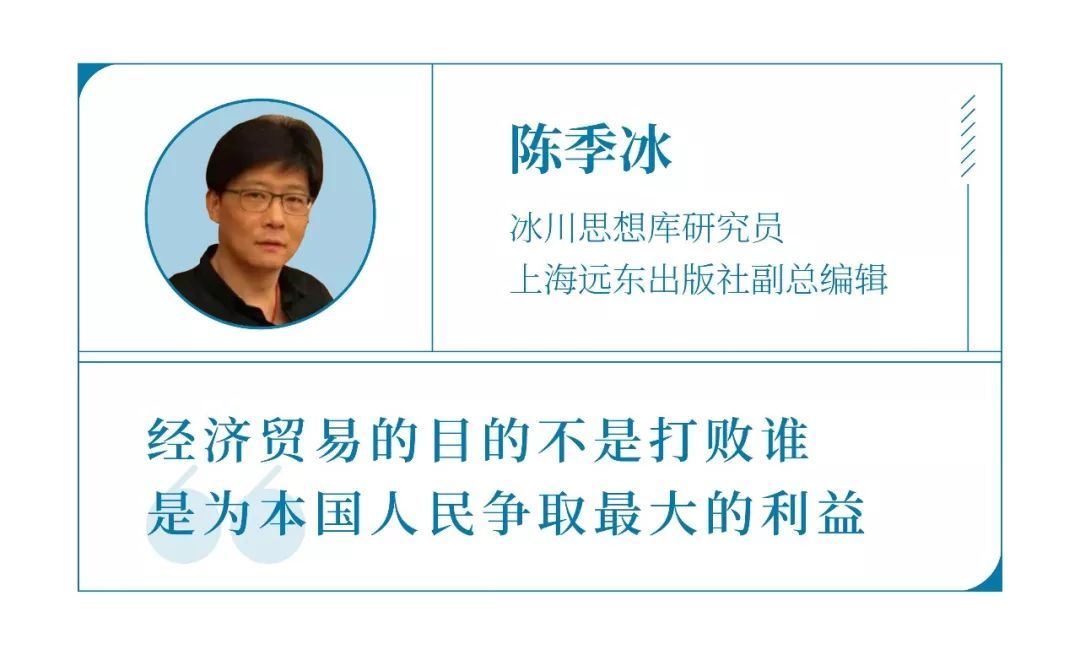
The white paper basically continues the consistent position of the Chinese government, that is, the so-called "talk, open the door; fight, accompany to the end."
Only this time the white paper is more comprehensive, systematic, and detailed. The purpose is to show the world the rational position of the Chinese government and declare that if the trade war continues, any damage caused should be borne by the United States.
I think the problem lies in two aspects. From the perspective of the United States, President Trump, the White House trade policy makers, and the mainstream opinions of the two parties in the U.S. Congress are very different. They pursue different goals, and it is difficult for the U.S. to reach it. agree.
From China's side, it can be seen from the news disclosed before that China is not willing to write some commitments that the US side considers crucial into the open contract terms, but hopes that they will be used as a kind of policy commitment, which is not used to the western thinking with clear and operable laws.
In my opinion, China should give more consideration to and understand the thinking and behavior patterns of Westerners and take targeted measures in this regard, instead of thinking and doing things unilaterally on its own side.
On trade issues, I have always been a strong supporter of free trade. My point is simple: no matter what the United States does, China should open up more to the outside world.
Therefore, China's best response is to unilaterally lower tariffs, lower the threshold for foreign investment access, and at the same time intensify domestic economic reforms, and strive to remove all obstacles and drawbacks that are not in line with the market economy and economic liberalization.
I think "tit for tat, tit for tat" is not the right way to deal with a trade war, because economic trade and war are not the same thing. The purpose of economic trade is not to defeat anyone, but to strive for the best interests of the country and its people.
4
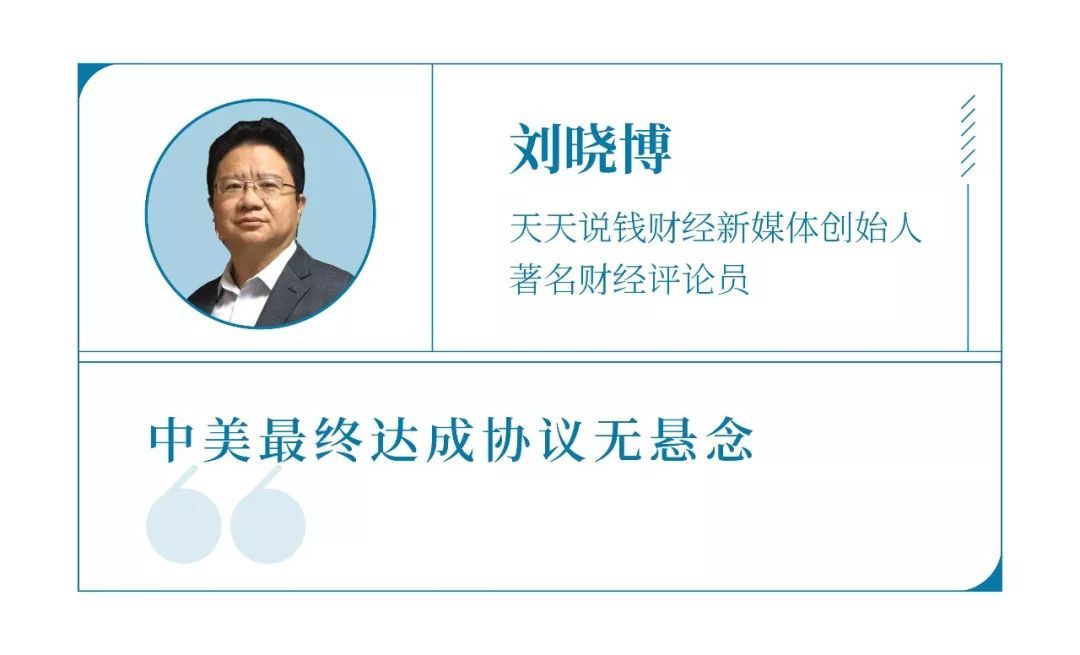
The white paper comprehensively expounds the Chinese government's position on trade negotiations, which has a positive effect on eliminating some misunderstandings that may exist in the international community and at home.
At yesterday's press conference, the Ministry of Commerce emphasized the "three musts" for China and the United States to reach an agreement-must respect each other, must act in the opposite direction, and must be equal and mutually beneficial.
I estimate that since Sino-US trade is highly complementary and mutually beneficial, there is no suspense in reaching an agreement. The only uncertainty is whether an agreement will be reached within the year or next year. I think the probability of an agreement within the year is still high.
If the stalemate is prolonged, it will have a greater negative impact on the economies of the two countries and the global economy, and both China and the United States are likely to cut interest rates. China can expect to continue to cut interest rates and quotas during the year.
More information


Follow us
Hello, what can we do for you?
Copyright © Xiantao Dexing Plastic Products Co., Ltd / Xiantao Dexing Health Technology Co., Ltd | Powered by:300.cn
SAF Coolest v1.3.1.2 设置面板 FZUSD-ZSNG-OSSQE-ZWE
无数据提示
Sorry, the current column is being updated, please look forward to it!
You can view other columns or returnHome Page