

News Center
News Center
There are only 20 days left for you to ship! U.S. Releases Exclusion List of Tariffs
Release time:
2019-08-09
On August 7, 2019, the U.S. Trade Negotiations Office (USTR) announced the product exclusion announcement under the list of goods subject to tariffs of $200 billion. This exclusion involves 10 products and 15 applications. The validity period can be traced back to September 24, 2018, the effective date of the US $200 billion list, and August 7, 2020, one year after the publication of this announcement. The deadline for this product exclusion application is September 30, and enterprises can still apply for product exclusion.
On August 7, 2019, the U.S. Trade Negotiations Office (USTR) announced the product exclusion announcement under the list of goods subject to tariffs of $200 billion. This exclusion involves 10 products and 15 applications.The validity period can be traced back to September 24, 2018, the effective date of the US $200 billion list, and August 7, 2020, one year after the publication of this announcement.The deadline for this product exclusion application is September 30, and enterprises can still apply for product exclusion.
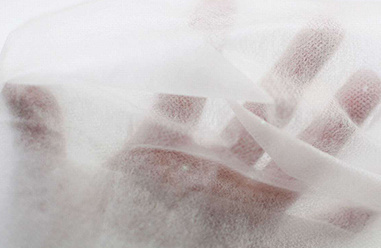
There are two items in the US $200 billion exclusion list released today, namely, high tenacity polyester yarn not exceeding 600 dtex (described in statistical report No. 5402.20.3010)(High tenacity polyester yarn not over 600 decitex (described in statistical reporting number 5402.20.3010)) and non-woven cloth weighing more than 25g/m2 but not more than 70g/m2, not dip coated or covered(described in statistical report number 5603.92.0090)(Nonwovens weighing more than 25g/m2 but not more than 70g/m2 in rolls, not impregnated coated or covered(described in statistical reporting number 5603.92.0090)).
Since September 24, 2018, as part of the 301 investigation, USTR has imposed additional tariffs on Chinese goods with an annual trade volume of approximately $200 billion billion.USTR subsequently made changes in May 2019 that included a decision to establish a product exclusion process.USTR initiated the exclusion process in June 2019, with stakeholders submitting requests to exclude specific products.Some product exclusion lists have been published in this notice, and the exclusion lists decided in the future will continue to be published.
The main "injured" products on this list are consumer goods-smartphones, laptops, tablets, clothing, shoes, household goods and agricultural and livestock products are all shot.
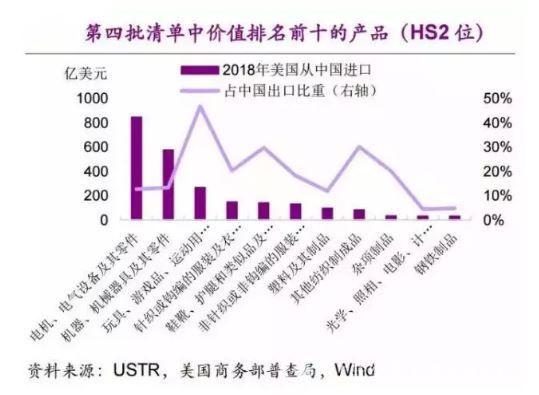
In particular, toys, games and sporting goods on the list have a large exposure to the United States. In 2018, the customs value of US imports from China accounted for 47% of China's exports.
At the G20 summit at the end of June, the heads of state of China and the United States agreed that China and the United States should restart economic and trade consultations on the basis of equality and mutual respect.The United States said it would not impose new tariffs on Chinese exports.
Shortly after the voice fell, Trump performed Sichuan opera.
On the afternoon of August 1, U.S. time, the day after the end of the twelfth round of trade consultations between the two sides, the U.S. president announced on Twitter that this list of 300 billion tariff increases will be implemented from September 1, with a tax rate of 10%;The implemented policy of a 25% increase of US $250 billion will continue to be implemented.
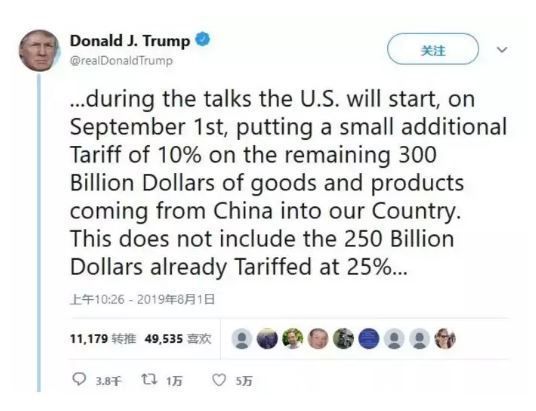
Trade talks are continuing, and in parallel, the United States will impose a small additional tariff of 10 percent on the remaining $300 billion of Chinese imports to the United States starting September 1.This does not include the US $250 billion of Chinese imports that have already been subject to a 25 tariff increase.
Trump's purpose of pressure for negotiations is already very obvious, but one thing that deserves our attention is:
The next round of high-level consultations between China and the United States is in September, and according to Trump's Twitter, the official start time of these tax increases is September 1!This also means that it is very likely that this round of new tax increases is inevitable!
Moreover, on August 5, after the onshore and offshore RMB exchange rates against the US dollar both fell below the important psychological threshold of "7", the US Treasury Department officially listed China as a currency manipulator for the first time since 1994.
The Chinese side announced that due to the recent announcement by the United States that it intends to impose a 10% tariff on US $300 billion Chinese exports to the United States, which seriously violates the consensus of the Osaka meeting between the heads of state of China and the United States, the Tariff Commission of the State Council has not excluded the imposition of import tariffs on the purchase of US agricultural products newly settled after August 3, and relevant Chinese enterprises have suspended the purchase of US agricultural products.
Therefore, please be a foreign trade person in the US market:
-
Immediately understand the list and confirm whether your product has been shot.
-
If orders for the listed products are in progress, please be sure to contact the guests immediately to discuss the follow-up arrangements.
-
If the products on the list will be shipped, please book the space immediately to avoid the impact of explosion and cabinet dumping.
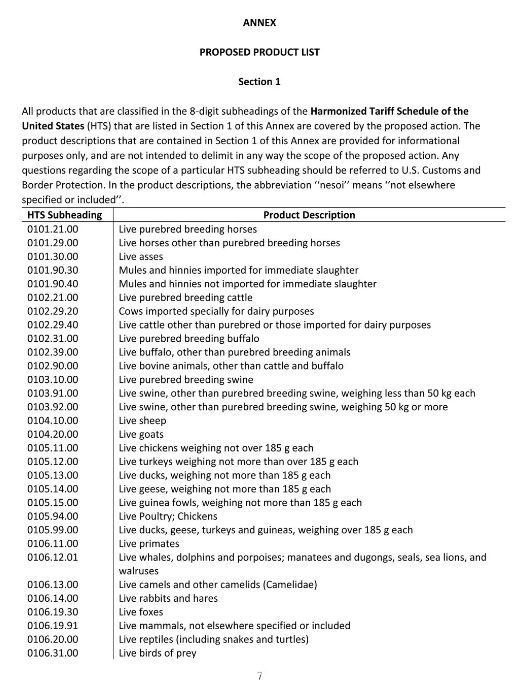
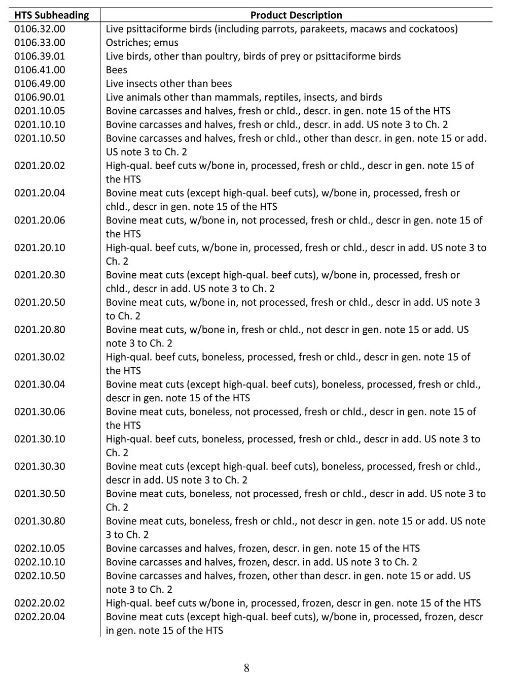
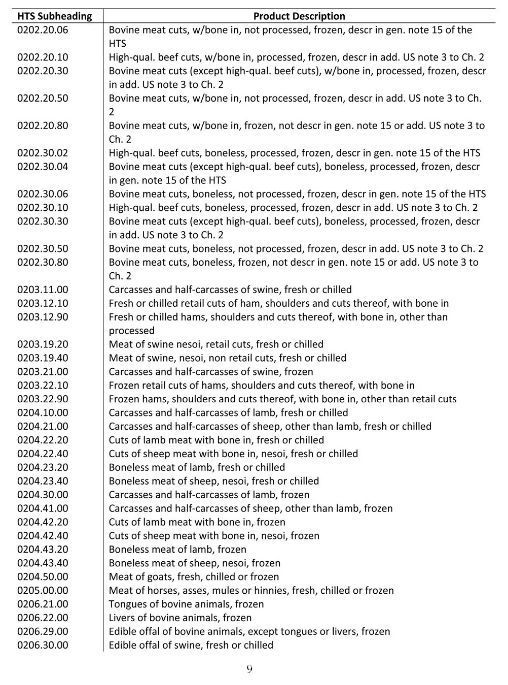
Part of the list screenshot:
Special reminder:
HTS CODE(the Harmoised Tariff Schedule) in the list is the tax code number of the United States, which is consistent with the first 6 digits of HS CODE, while the last 4 digits have different refinements in different countries. Therefore, it is recommended to enter the first 6 digits, and then query the HTS code of the product in the United States according to the specific product description, so as to determine whether the enterprise product is within the scope of taxation.Companies can also ask U.S. importers to confirm U.S. tariff numbers for exported products.
In addition to the list of products that are already being taxed, if this list is also implemented, the United States will impose tariffs on a total of 524.9 billion US dollars of products after September, which has reached 97% of the total value of US imports from China in 2018.Only drugs, APIs, some medical supplies, rare earths and key mineral products were excluded.
According to the U.S. Treasury Department, in the first half of 2019, tariff revenue soared 73% from a year earlier to $33.9 billion.
More information

Follow us
Hello, what can we do for you?
Copyright © Xiantao Dexing Plastic Products Co., Ltd / Xiantao Dexing Health Technology Co., Ltd | Powered by:300.cn
SAF Coolest v1.3.1.2 设置面板 FZUSD-ZSNG-OSSQE-ZWE
无数据提示
Sorry, the current column is being updated, please look forward to it!
You can view other columns or returnHome Page