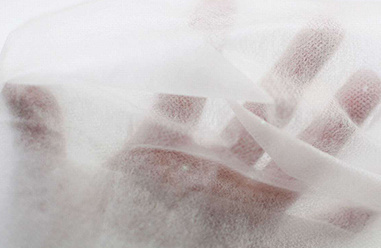
Waterproof vapor permeable membrane (breathing paper) is a new type of polymer waterproof material. In terms of production process, the technical requirements of waterproof permeable membrane are much higher than those of ordinary waterproof materials. At the same time, from the point of view of quality, waterproof permeable membrane also has functional characteristics that other waterproof materials do not have.
Chinese name waterproof breathable membrane alias breathing paper properties a new type of polymer waterproof material production process technical requirements of waterproof breathable membrane high quality functional characteristics function dustproof waterproof breathable
Directory
1 Brand classification
2 History of development
3 Properties of breathable film
4 Description
5 Teflon
6 Advantages of use
7 Application Industry Classification
8 Construction materials
9 Automotive exterior lighting
10 Outdoor lighting fixtures
11 Sensor equipment
12 Communication equipment
13 Precision electronics industry
14 Solar equipment
15 Chemical and Medical Equipment
Brand Category Editor
Waterproof breathable membrane in the construction field is mainly used in steel structure, wood structure construction, the domestic market is chaotic, through the network promotion of the brand mostly does not have the ability to produce waterproof permeable membrane, but the use of non-woven fabric and glue simple composite fake and shoddy products. Regular brand recommendations refer to the national standard design atlas 06J925-2 "profiled steel plate, sandwich panel roof and wall construction (two)".
The working principle of waterproof breathable membrane:
In the state of water vapor, the water particles are very small, and according to the principle of capillary motion, they can smoothly penetrate into the capillary to the other side, so that the phenomenon of vapor permeation occurs. When the water vapor condenses into water droplets, the particles become larger. Due to the surface tension of water droplets (water molecules "pull against each other"), water molecules cannot smoothly separate from water droplets and penetrate to the other side, that is, to prevent the occurrence of water penetration, so that the permeable membrane has a waterproof function.
waterproof breathable membrane material:
The technology of waterproof and breathable membrane was first introduced from European and American countries. However, the production process of domestic products is varied, and the product quality of various manufacturers is uneven, and a unified quality standard has not been formed. In fact, the waterproof breathable membrane is mainly composed of three layers: PP spunbond non-woven fabric, PE polymer breathable membrane, PP spunbond non-woven fabric. The role of spunbonded non-woven fabric is mainly to enhance the tension and hydrostatic pressure and protect the middle layer (breathable film), the real breathable mainly depends on the middle layer PE polymer breathable film.
production process of waterproof breathable membrane:
There are three main types: 1. Casting compound. This process is to use plastic particles hot melt after relying on the plastic itself adhesive compound. The disadvantage is that it is almost airtight. In 2014, there is no way around the world to use this process to produce a truly high-permeability, high-temperature waterproof and breathable membrane. 2. Spray or scraping compound (hot melt compound). This process was first applied to sanitary napkins and diapers, as well as protective clothing. At present, almost all domestic manufacturers use this process to produce highly breathable waterproof and breathable materials. The disadvantage is that the air permeability is relatively low, because the pores of the middle breathable film are actually blocked by hot melt adhesive. In addition, the most fatal disadvantage is that the temperature resistance is very low, and it can only withstand a temperature of 60 degrees. Because this glue is actually a pressure-sensitive adhesive (self-adhesive). A simple example is that in winter, double-sided tape has almost no adhesion and will delaminate, but in summer, the glue on the surface of double-sided tape will melt. The quality of the waterproof and breathable membrane made by this process can be imagined. During construction, as long as there is a certain temperature, the non-woven fabric will open the glue layer. Which construction party can guarantee the construction, a spread waterproof breathable membrane immediately cover the roof? Therefore, this waterproof breathable membrane can only be a real waterproof breathable membrane of fake and shoddy products, in Europe and the United States completely no market. 3. Hot pressing compound. At present, the domestic market is mixed, the production of real waterproof breathable film manufacturers are very few, many factories or sellers are talking about their own waterproof breathable film, almost the vast majority of users have never thought of, some manufacturers provide waterproof breathable film is not waterproof. For example, when we travel together in China, we deceive consumers into saying that it is an international company that uses the technology and research and development results of a well-known international company. In fact, the hydrostatic pressure of the waterproof and breathable membrane they produce is only about 750px, but the user does not know how to detect it. The user only knows that water is poured on the waterproof and breathable membrane, and the membrane does not leak. In fact, where does the user knows that water is pressure and, the only way is to check each batch of waterproof breathable membrane, so that fake and shoddy can not be hidden. In fact, the real waterproof breathable membrane should be highly breathable, high temperature resistance, anti-aging, hydrostatic pressure of more than 2 meters. The production process should be pure thermal composite technology, no glue, so it can reach temperature resistance above 110 degrees, high strength and anti-aging. This is the current domestic product that can truly meet the EU standard and is the latest domestic technology.
Price of waterproof breathable membrane
The price of waterproof breathable membrane is mainly composed of raw materials, production process and equipment investment cost. At present, some domestic manufacturers spread that waterproof breathable membrane is an auxiliary material, the cost is very low, the price is low, not higher than the main material such as insulation cotton. This is nonsense. This kind of speech is purely to entrap consumers and mislead consumers. Because these manufacturers do not master the production process of waterproof breathable membrane, they use very simple drenched non-woven fabric or hot melt adhesive composite non-woven fabric equipment to produce fake waterproof breathable membrane, misleading consumers with fallacies, in order to achieve ulterior purposes.
How to identify true and false waterproof breathable membrane
1. Laboratory testing
Test items: a. temperature resistance B. water vapor throughput (I .e. air permeability) c. hydrostatic pressure d. anti-aging ability
The real waterproof breathable membrane is not compounded with glue, so the temperature resistance is -40,100 degrees (EU CE standard, American ASTM standard). It is not produced with polyethylene or TPO film, so the air permeability should exceed 1500g/square/24 hours, and it is basically airtight when produced with polyethylene or TPO film. Hydrostatic pressure detection, thin waterproof breathable membrane hydrostatic pressure at least 1.5 meters above, thick waterproof breathable membrane at least 2 meters above. Anti-aging is necessary, because PP material is easy to age under ultraviolet light, and some fake waterproof breathable membrane is produced with poor recycled materials. This waterproof breathable membrane is easy to age and degrade during construction.
2. Simple hands-on detection
On the surface, there are obvious pressure points on both sides of the waterproof and breathable membrane, because the production process is compounded by hot pressing. Please note that it is not the dot pattern of the non-woven fabric itself, but the obvious overlapping dot pattern. Tear off the waterproof breathable membrane, first of all, the middle layer of polymer layer should be milky white very soft layer of waterproof breathable layer, because it is by hot pressing composite, this layer of film should be left above the pressure point. In addition, lightly press the non-woven fabric and the film by hand. If there is a feeling of sticking to the hand, then it can be concluded that this is a hot melt adhesive, then this is a fake waterproof breathable film. Because the hot melt adhesive adhesion even at room temperature, soon these three layers of material will bubble delamination, automatic peeling.
Development history editor
the history of the development of waterproof breathable membrane:
The first generation, shoes, clothing, tents, sleeping bags, the earliest in order to achieve waterproof, windproof, just in the fabric covered with waterproof glue, in order to achieve the purpose of waterproof, this material and process of production of products, can withstand a certain degree of water pressure, but absolutely not breathable, and waterproof permeability is poor.
The second generation, PU film, this is a kind of water pressure resistance is very good material, the product fabric and composite together, can achieve better waterproof stability, its high-end products may have some moisture permeability function, but the effect is not ideal. Such as: market existing KING-TEX.
The third generation, TPU film, developed on the basis of PU film, is better than PU film in terms of air permeability, moisture permeability and water pressure resistance. It is a waterproof and breathable film to replace PU film. There are TING-TEX and KING-TEX films in China.
The fourth generation, EPTFE (polytetrafluoroethylene) is the latest generation of waterproof breathable material, the world's first-class factories are using this material, combined with their respective company's research and development of composite processing technology to develop different brands of EPTFE composite fabric, its waterproof permeability are the best today. The main ones that have outstanding performance in the international market are: GORE-TEX (developed by Gore Company in the United States, open-type is selected by outdoor products companies around the world), OMNI-TECH (developed by COLUMBIA Company in the United States, only for its own brand), FIRST-TEX (developed by FBA International Group in the United States, only for use in designated brands, in 2014, the first outdoor brand in the United States was using this material), EVENT (developed by a rapidly rising professional waterproof and breathable material manufacturer in recent years), TEXPORE (developed by a German JACKWOLFSKIN company only for its own brand) and other international famous material manufacturers or professional waterproof and breathable materials exclusively developed by well-known outdoor brand companies.
Breathable membrane properties edit
Description
Teflon, also known as waterproof and breathable membrane (Polytetrafluoroethene, commonly referred to as "non-stick coating" or "easy-to-clean wok material"; It is a synthetic polymer material that uses fluorine to replace all hydrogen atoms in polyethylene. This material has the characteristics of acid and alkali resistance, resistance to various organic solvents, and is almost insoluble in all solvents. At the same time, the waterproof breathable membrane has the characteristics of high temperature resistance, and its coefficient of friction is very low, so it can be used for lubrication, and it has also become an ideal coating for the inner layer of easy-to-clean wok and water pipe.
Teflon
Waterproof breathable membrane (English abbreviation Teflon or [PTFE,F4]), is known as/commonly known as "plastic king", Chinese trade name "Teflon", "Teflon" (Teflon), "Teflon", "Teflon", "Teflon", "Teflon" and so on. It is a polymer compound formed by the polymerization of tetrafluoroethylene. It has excellent chemical stability and corrosion resistance (it is one of the best materials for corrosion resistance in the world today. In addition to molten metal sodium and liquid fluorine, it can withstand other All chemicals can not change when boiled in king water, widely used in all kinds of need to resist acid and alkali and organic solvents), sealing, high lubrication non-stick, electrical insulation and good anti-aging endurance, excellent temperature resistance (can work at a temperature of 250 ℃ to -180 ℃ for a long time). The waterproof breathable membrane itself is not toxic to humans, but one of the raw materials used in the production process, ammonium perfluorooctanoate (PFOA), is considered to be carcinogenic. Temperature -20~250 ℃(-4~482 °F), allowing quenching and quenching, or alternating hot and cold operation. The pressure of -0.1~6.4Mpa (full negative pressure to 64kgf/cm2)(full vacuum to 64kgf/cm2) has solved many problems in China's chemical, petroleum, pharmaceutical and other fields. PTFE seals, gaskets, gaskets. PTFE seals, gaskets, sealing gaskets are made of suspension polymerization waterproof breathable membrane resin molding. Compared with other plastics, PTFE has the characteristics of chemical resistance and corrosion resistance, and it has been widely used as a sealing material and filling material. Used as engineering plastics, it can be made into PTFE tubes, rods, belts, plates, films, etc. It is generally used in corrosion-resistant pipes, containers, pumps, valves, radar, high-frequency communication equipment, radio equipment and so on. The dispersion liquid can be used as an insulating immersion liquid for various materials and an anti-corrosion layer on the surface of metal, glass and pottery. All kinds of PTFE ring, PTFE gasket, PTFE packing, etc. are widely used in all kinds of anti-corrosion pipeline flange sealing. In addition, it can also be used for drawing silk, polytetrafluoroethylene fiber-fluoron (foreign trade name is Teflon). All kinds of PTFE products have played a pivotal role in the national economy such as chemical industry, machinery, electronics, electrical appliances, military industry, aerospace, environmental protection and bridges. The use conditions of waterproof breathable membrane (PTFE) industry chemical, petrochemical, oil refining, chlor-alkali, acid, phosphate fertilizer, pharmaceutical, pesticide, chemical fiber, dyeing, coking, gas, organic synthesis, non-ferrous smelting, iron and steel, atomic energy and high purity products production (such as ion membrane electrolysis), viscous material transportation and operation, health requirements of highly strict food, beverage and other processing and production departments.
Use advantages
High temperature-the use of working temperature of 250 ℃.
Low temperature resistance-has good mechanical toughness; even if the temperature drops to -196 ℃, it can maintain 5% elongation.
Corrosion resistance-for most chemicals and solvents, showing inert, strong acid and alkali, water and various organic solvents.
Weather-resistant-has the best aging life in plastics.
High lubrication-is the lowest coefficient of friction in solid materials.
Non-adhesion-is the smallest surface tension in a solid material and does not adhere to any substance.
Non-toxic-physiologically inert, as a long-term implantation of artificial blood vessels and organs without adverse reactions.
The relative molecular mass of polytetrafluoroethylene is relatively large, ranging from hundreds of thousands to over 10 million, generally to millions (the degree of polymerization is on the order of 104, while polyethylene is only 103). Generally, the crystallinity is 90 ~ 95% and the melting temperature is 327~342 ℃. The CF2 units in the polytetrafluoroethylene molecule are arranged in a sawtooth shape. Since the radius of the fluorine atom is slightly larger than that of the hydrogen, the adjacent CF2 units cannot be completely oriented in a trans-cross direction, but form a spiral twisted chain. The fluorine atoms almost cover the surface of the entire polymer chain. This molecular structure explains the various properties of polytetrafluoroethylene. When the temperature is lower than 19 ℃, a 13/6 helix is formed; a phase transition occurs at 19 ℃, and the molecules are slightly unwound to form a 15/7 helix. While the breaking of carbon-carbon and carbon-fluorine bonds in perfluorocarbons requires absorption energies of 346.94 and 484.88kJ/mol, respectively, the depolymerization of polytetrafluoroethylene to produce 1mol of tetrafluoroethylene requires only 171.38kJ of energy. Therefore, during high temperature cracking, polytetrafluoroethylene is mainly depolymerized to tetrafluoroethylene. The weight loss rates (%) of PTFE at 260, 370 and 420°C were 1 x 10⁻⁴, 4 x 10⁻³ and 9 x 10⁻² per hour, respectively. Visible, PTFE can be used for a long time at 260 ℃. Since highly toxic by-products such as fluorine phosgene and perfluoroisobutylene are also produced during high-temperature cracking, special attention should be paid to safety protection and to prevent PTFE from contacting open flames. Mechanical properties Its coefficient of friction is very small, only 1/5 of polyethylene, which is an important feature of the perfluorocarbon surface. Since the fluorine-carbon chain intermolecular force is extremely low, polytetrafluoroethylene has non-tackiness. It does not melt at a temperature of 250°C and is not brittle at an ultra-low temperature of -260°C. PTFE is very smooth, even ice is better than it; its insulation performance is particularly good, a thick layer of newspaper film, it is enough to resist 1500V high voltage. PTFE maintains excellent mechanical properties in a wide temperature range of -196~260 ℃, and one of the characteristics of perfluorocarbon polymers is that they are not brittle at low temperatures. Chemical resistance and weather resistance In addition to molten alkali metals, polytetrafluoroethylene is hardly corroded by any chemical agent. For example, in concentrated sulfuric acid, nitric acid, hydrochloric acid, or even boiled in aqua regia, its weight and performance are unchanged, and it is almost insoluble in all solvents, only slightly soluble in all alkanes (about 0.1g/100g) above 300 ℃. PTFE does not absorb moisture, non-flammable, oxygen, ultraviolet are extremely stable, so it has excellent weather resistance. The dielectric constant and dielectric loss of PTFE in a wide frequency range are very low, and the breakdown voltage, volume resistivity and arc resistance are high. Radiation resistance PTFE radiation resistance is poor (104 rad), caused by high-energy radiation degradation, the electrical and mechanical properties of the polymer decreased significantly. The polymeric waterproof gas-permeable membrane is produced by radical polymerization of tetrafluoroethylene. Industrial polymerization is carried out with stirring in the presence of a large amount of water to disperse the heat of reaction and to facilitate temperature control. The polymerization is generally carried out at a temperature of 40 to 80 ° C. under a pressure of 3 to 26 kgf/cm2, and an inorganic persulfate, an organic peroxide, or a redox initiating system can be used as an initiator. The exotherm was 171.38kJ per mole of tetrafluoroethylene polymerized. The dispersion polymerization requires addition of a perfluoro-type surfactant such as perfluorooctanoic acid or a salt thereof. Application of waterproof breathable membrane can be compressed or extruded processing molding; can also be made into water dispersion, used for coating, impregnation or made of fiber. Polytetrafluoroethylene is widely used in atomic energy, aerospace, electronics, electrical, chemical, machinery, instruments, meters, construction, textile, food and other industries as high and low temperature resistant, corrosion resistant materials, insulating materials, anti-sticking coatings, etc.
Application industry classification editing
Building Materials
In the construction industry, waterproof breathable membrane, also known as waterproof permeable membrane. Divided into standard waterproof breathable membrane, slope roof waterproof breathable membrane, slope roof universal waterproof breathable membrane.
Automotive exterior lighting
In modern society, cars are widely used, and different weather and road conditions will be encountered during transportation. The lights are always exposed to the external environment. Dust, rain and snow, road debris and mud will affect the lighting of the lights, thereby affecting the safety of the vehicle during driving. A sudden drop in external temperature will cause a drop in internal pressure, making the device prone to inhalation of pollutants and increased fogging, ultimately causing lamp failure. The product can provide long-lasting protection to the lights from external water vapor, dust, oil and other dirt. At the same time, the unique ventilation function of the product can exchange gases with the change of pressure, thus reducing the pressure on the seal and prolonging the service life of the product.
1. Reduce the fog of the headlights
Effective ventilation can greatly reduce fog formation, up to 50%
Common installation reduces product design complexity
Reliable performance and reduced testing costs
2. Pressure balance of tail lamp, fog lamp and auxiliary lamp
The superior performance and unique design of the automotive waterproof and breathable membrane enable you to save money in every aspect of manufacturing:
Reduced seal design costs and less shell material, resulting in lower tooling design and cost
Breathable design does not build up pressure and can be cured on site with sealants and adhesives, reducing assembly time
Reliable performance over the life of the product
Outdoor lighting fixtures
Potential problem: Outdoor luminaire enclosures are subject to changes in ambient temperature and pressure.
Temperature variations, dust, dirt and moisture can have a considerable effect on the electronics of outdoor lighting fixtures. For example, rainfall may cause the luminaire enclosure to cool rapidly, creating a vacuum of 200mbar(3psi) or even more within the enclosure. This will seriously affect the performance of the internal components of the luminaire.
Solution: Keep the pressure balance inside and outside the enclosure through continuous ventilation.
After the waterproof breathable membrane is installed on the outdoor lamp housing, the pressure difference caused by the external temperature change will no longer have a negative impact on the housing, because the waterproof breathable membrane can quickly balance the internal and external pressure of the housing when the ambient temperature and pressure changes.
Main Benefits
Effectively prevent fogging and condensation of the enclosure
Effectively resist the effects of acid rain, salt and other corrosive liquids
The breathable film has a very high permeability, which means that the inside of the casing can achieve continuous gas exchange with the outside, thus effectively preventing the accumulation of harmful gases generated by the battery in the casing.
Significantly reduces the stress on the enclosure seal, thereby minimizing the chance of failure and extending the service life of the enclosure
Maintenance is simple, and it is still very convenient to open the cover to contact the internal devices after installing the breathable membrane.
Easy installation, great convenience for design and production
Sensor equipment
Potential problem: The sensor housing is exposed to changing temperatures and pressures.
Temperature changes, dust, dirt and moisture can have a significant impact on the sensor electronics. For example, the cleaning process can cause the temperature of the electronics enclosure to drop significantly.
A sharp drop in temperature will cause a vacuum of 200 mbar(3 psi) or more to be generated in the housing.
Solution: Keep the pressure balance inside and outside the shell through continuous ventilation.
Waterproof breathable products can effectively resist the adverse effects of temperature changes caused by the pressure difference. The use of waterproof breathable membrane can quickly balance the pressure inside and outside the shell when the ambient temperature and pressure changes.
In gas sensors and electrochemical sensors, waterproof and breathable products prevent dust, dirt or liquid from entering the sensor head. At the same time, the waterproof and breathable membrane (EPTFE) membrane allows gas to pass through the membrane immediately, thus ensuring that the sensor response speed remains constant and preventing errors and delays in measurement results.
Main Benefits
Protects the sensor from contaminants, water, salt and other corrosive liquids, ensuring accurate and stable sensor measurements
Reduce the stress on the housing seal by quickly balancing the pressure inside and outside the sensor housing
Rapid recovery of ventilation after fluid exposure
Microporous membrane structure provides excellent breathability
Easy installation, great convenience for design and production
Communication equipment
Potential problem: The equipment used in the telecommunications industry is subject to rapid fluctuations in ambient temperature, while also being exposed to various particles, and is constantly exposed to various climatic conditions such as wind, rain, and sunlight.
For example, when a device such as a tower top antenna with active electronic devices is operating, heat may accumulate inside the device housing. This will lead to an increase in pressure, so that the housing sealing strip is subjected to greater stress. In addition, a sudden rainstorm or strong wind may cause a sudden drop in temperature, followed by the formation of a vacuum of 200 mbar(3 psi) or more inside the equipment housing, which will also make the housing sealing strip bear more stress. If the pressure inside and outside the housing is not balanced, water, moisture, dust and dirt in the external environment will enter the interior of the housing through the sealing gap. This may adversely affect the performance of the communication equipment, resulting in more repair work or greater repair costs.
Solution: Keep the pressure balance inside and outside the shell through continuous ventilation.
After the outdoor communication equipment is installed with waterproof and breathable membrane products, the pressure difference caused by temperature changes will no longer have a negative impact on the equipment shell, because the waterproof and breathable products can quickly balance the internal and external pressure of the shell when the ambient temperature and pressure changes.
Main Benefits
Effectively resist the effects of water, salt and other corrosive liquids
The film that allows water vapor to pass through can prevent the occurrence of condensation phenomenon to the greatest extent
Reduce the stress on the sealing strip of the shell by quickly balancing the pressure inside and outside the shell
Easy to maintain; even with breathable products installed, it is still very convenient to open the equipment for maintenance of internal components
Easy installation, great convenience for design and production
Precision electronics industry
Potential problem: Electronic devices are often exposed to dust or liquid splashes.
Mobile phones and other portable wireless devices are generally used in harsh environments and may come into contact with water and dust, which may damage sensitive components.
Solution: Dust and waterproof sound-permeable membrane products provide dust and splash protection.
The waterproof and breathable product is installed on the equipment port, which can provide pressure discharge and balance function for the equipment when the equipment comes into contact with dust, splash and temporarily immersed in water.
Waterproof and breathable products provide a dust and splash barrier for audio equipment without causing significant degradation in sound transmission, integrity or quality. In addition, breathable products can prevent the intrusion of various daily liquids, such as carbonated drinks and coffee. TP waterproof and breathable products maintain sound quality while providing an aesthetically pleasing outer cover and creating a waterproof barrier against these elements.
Main Benefits
Using sound-transmitting materials to ensure high-quality sound transmission
With the high permeability of the breathable film to achieve continuous internal and external gas exchange, effectively prevent the accumulation of harmful gases released by the battery
Effectively prevent condensation and fogging of the display screen
Reduce the stress on the sealing strip of the shell by quickly balancing the pressure inside and outside the shell
Protect internal components from contaminants and liquids used in everyday life
Easy installation, great convenience for design and production
Solar equipment
Potential problem: Outdoor solar junction box enclosures are subject to changes in ambient temperature and pressure.
Temperature variations, dust, dirt, and moisture can have a considerable effect on the electronic components within the solar component. For example, rainfall may cause the luminaire enclosure to cool rapidly, creating a vacuum of 200mbar(3psi) or even more within the enclosure. This will seriously affect the performance of the internal components of the housing.
Solution: Keep the pressure balance inside and outside the enclosure through continuous ventilation.
Main Benefits
Effectively block water, salt and other corrosive liquids, so that the sensitive parts of the equipment are safely exposed to the outside.
Contact with water, oil and other liquids can quickly restore ventilation.
Dense and uniform microporous distribution in waterproof breathable at the same time, can effectively block dust, protection level up to IP68
Balance pressure to prevent air and water around the sealing components from entering the body to protect the integrity of the seal.
Protect the components from weather and withstand immersion in water and other liquids.
The protected parts are easy to clean, not affected by corrosive pollutants, and ensure the performance and service life of the parts.
UV-resistant, chemically inert and resistant to extreme temperatures.
Thin and lightweight, with good concealment, for the design and production to bring convenience, is the most ideal waterproof breathable products.
Chemical and Medical Equipment
Chemical industry: waterproof and breathable technology can meet the requirements of a variety of industrial applications. Its products include: sealing materials for chemical manufacturing, industrial equipment covers, bottle caps, filter bags for pollution control, and breathable products for industrial cleaner containers. The company customizes various products for chemical equipment manufacturers and large-scale end customers, which have both high value and good performance.
Medical: Medical implants can coordinate with the tissues of the human body and help recovery, and in many cases can also restore normal functions of the human body. These implants can give doctors good results and give patients mental peace of mind. The company's products provide new solutions for the treatment of vascular, intravascular, interventional, general surgery, cardiothoracic and pulmonary, oral and plastic surgery. The waterproof and breathable membrane used in medical equipment and surgical sterile clothing can build a reliable barrier against viral and bacterial contamination without affecting airflow. The company's medical electronic equipment is very durable, high performance, has been used in development and other medical equipment.
Main characteristics of the product
Waterproof, dustproof and breathable safety level reaches IP65K-IP68K
The microporous structure of the expanded PTFE waterproof breathable membrane has the following characteristics:
1 Hydrophobic and oleophobic 2 Promote moisture and steam emission 3 Extremely chemically inert 4 Will not fall off 5 Anti-ultraviolet 6 Resistance to extreme temperatures