


News Center
News Center
What high-tech clothing do astronauts need on the space station to prevent various diseases?
Release time:
2018-12-01
In the space station era, astronauts need to live in space for a long time. Although the space station provides basic protection for the astronauts' body, due to long-term weightlessness, claustrophobia, extreme temperature and light environment, it may cause nausea, claustrophobia, muscle atrophy, headache, eye fatigue and spinal rearrangement. In order to ensure that astronauts maintain good health in the long-term life of the space station, astronauts still need to wear lightweight protective clothing to provide targeted protection to the human body in the space station.
In the space station era, astronauts need to live in space for a long time. Although the space station provides basic protection for the astronauts' body, due to long-term weightlessness, claustrophobia, extreme temperature and light environment, it may cause nausea, claustrophobia, muscle atrophy, headache, eye fatigue and spinal rearrangement. In order to ensure that astronauts maintain good health in the long-term life of the space station, astronauts still need to wear lightweight protective clothing to provide targeted protection to the human body in the space station.
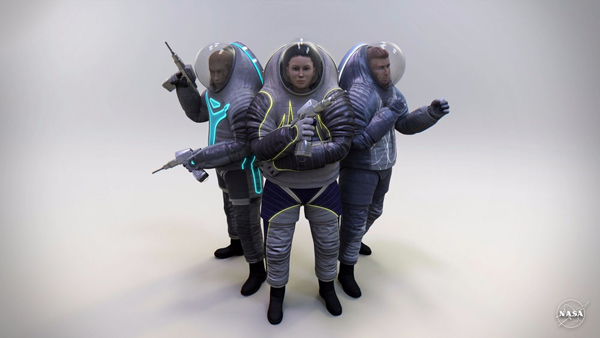
Ultra-light pressure suit: anti-spine rearrangement
It is reported that the rearrangement of the spine of astronauts in weightlessness can cause an increase in length of 7cm. In addition to back pain, the probability of suffering from lumbar disc herniation after returning to earth is 4 times higher than that of ordinary people. To this end, the Space Medicine Office of the Astronaut Center of the European Aeronautics and Space Agency (ESA) is working on a project called Skinsuit, in collaboration with King's College London, United Kingdom, and the Massachusetts Institute of Technology, United States.
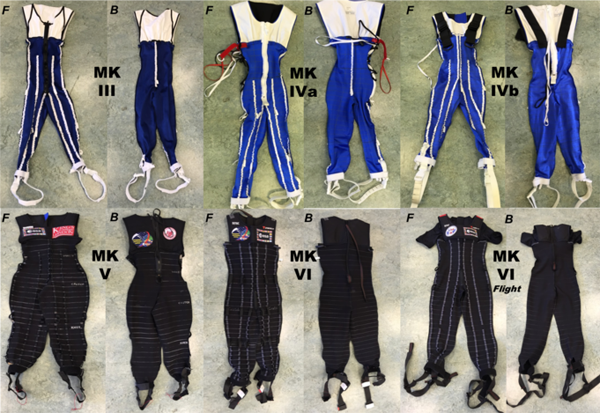
The project aims to provide astronauts with a high-tech bodysuit to combat the increase in length and lumbar protrusion caused by weightlessness in space. According to reports, the Skinsuit is a tailor-made garment made of spandex elastic two-way woven fabric, which can squeeze the astronaut's body from the shoulder to the foot, and offset the lack of gravity by applying a pressure similar to the earth's gravity.
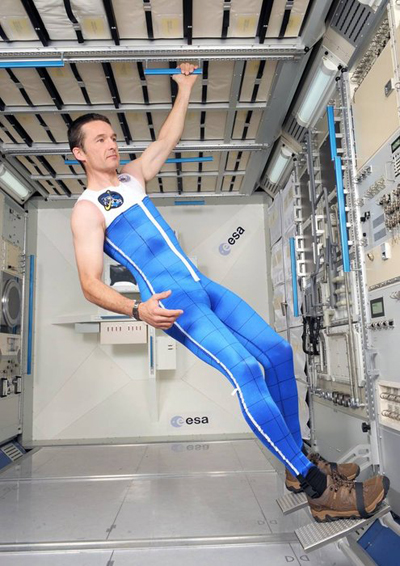
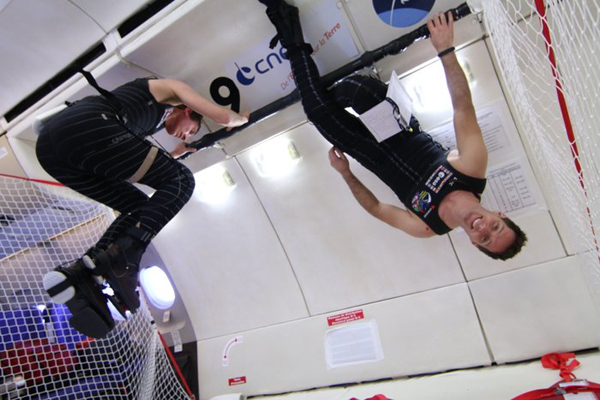
After constantly adjusting the precise pressure application scheme, the researchers strive to develop a comfortable and effective clothing system that astronauts can wear during work and rest. It is reported that the researchers of the project team are also developing other alternative materials besides spandex.
Functional 3D knitted fabric: relieve fatigue and muscle soreness
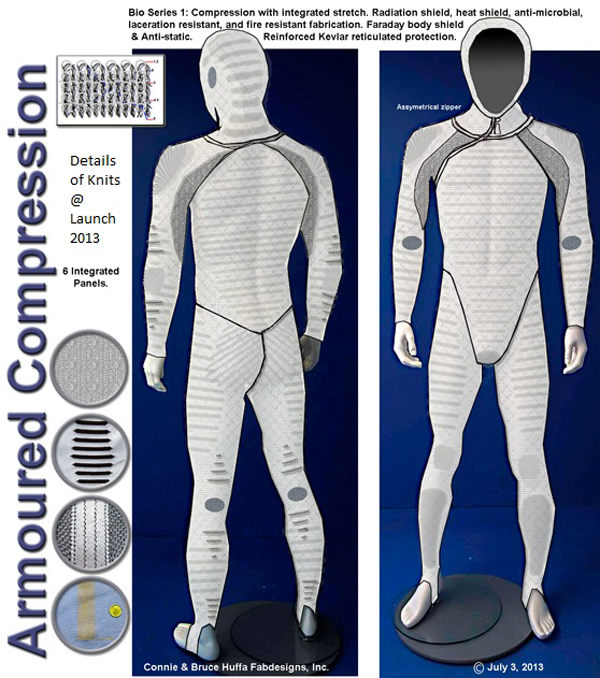
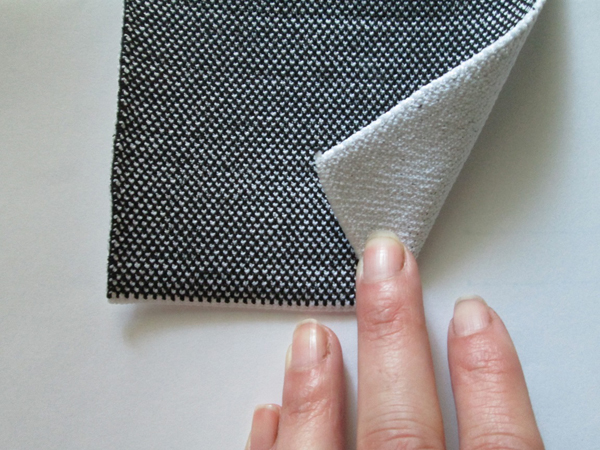
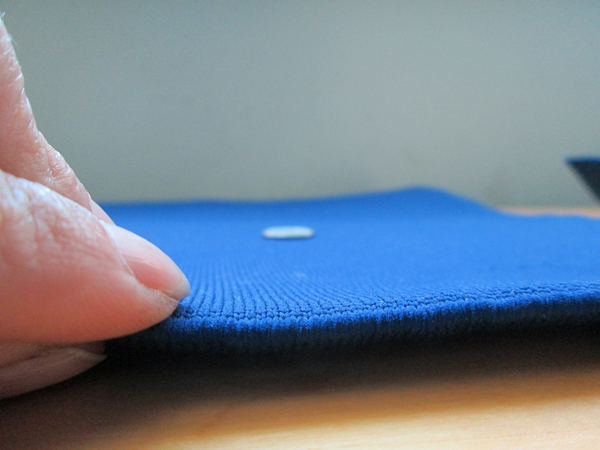
Fabdesigns has developed a series of highly flexible 3D knits for spacesuits, using Kevlar.®、Spectra®, Silicon and other special functional yarns, combined with special fabric structure design, can not only provide astronauts with flame retardant and thermal protection, radiation protection and certain pressure, but also combine muscle activation technology to solve the problems of space diseases and muscle loss-Using impressed current stimulation and receiving data with sensors to increase venous blood flow and circulation, relieve fatigue and muscle soreness, help the body quickly remove lactic acid and enhance strength.
Radiation vest: reduce the probability of cancer
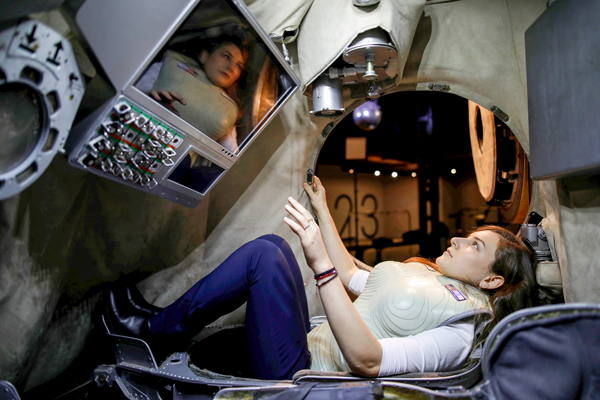
In April, NASA and the Israeli Space Agency (ISA) signed an agreement to test AstroRad radiation vests in space, allowing the Orion EM-1 (Orion spacecraft rover 1) to be sent to space for testing during the last test flight before the manned AstroRad mission begins.
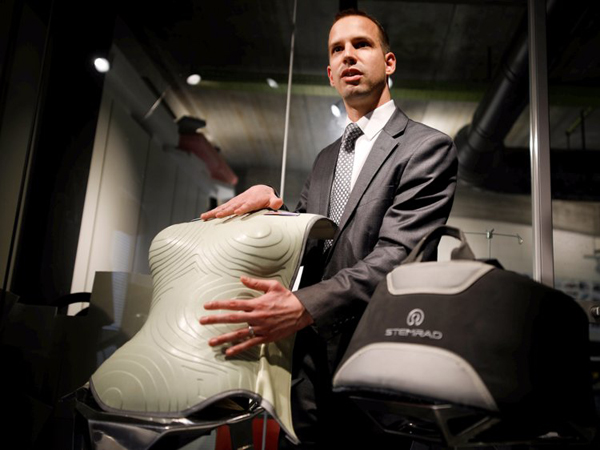
The AstroRad vest was developed by StemRad on the basis of a successful product widely used in the field of field first aid worldwide, based on the principle of selective bone marrow protection, which is very important for blood cell renewal and other sensitive organs that are susceptible to cancer due to radiation, such as lungs, breasts, stomach, colon and ovaries.
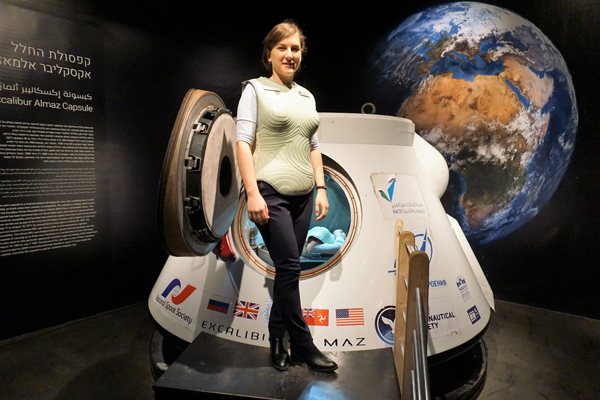
ISA will also conduct an ergonomic evaluation of the vest on the International Space Station (ISS) in early 2019, which, together with the radiation protection experimental data obtained in the Orion EM-1, will provide NASA with information to determine whether AstroRad vest can be used as a necessary personal protective equipment for future manned space missions in outer space.
Smart clothing: health monitoring, disease relief, assisted exercise
By integrating functional or intelligent elements into the astronaut's clothing to provide health monitoring, disease relief, auxiliary exercise and other effects, it has become a preferred solution to help solve the health problems of astronauts.
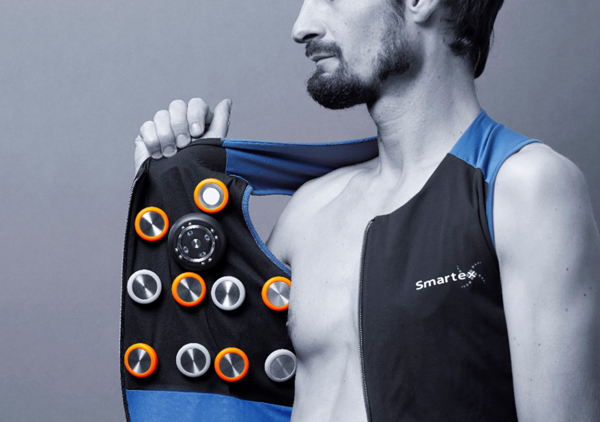
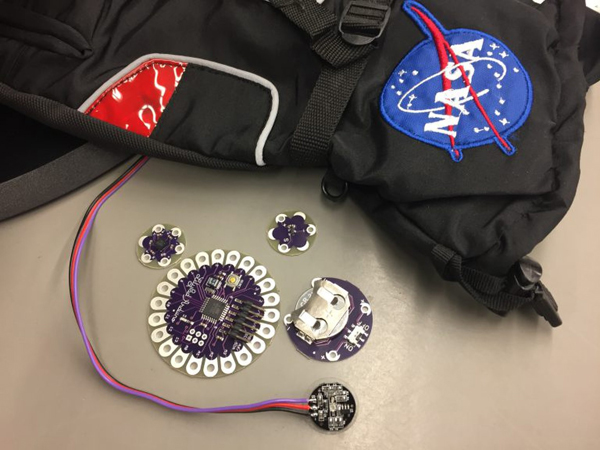
For example, in order to help astronauts eliminate negative emotions and stress reactions, scientists at Florida Institute of Technology are developing a new spacesuit that can adjust the environment. It is said that the wireless smart sensor developed by it can monitor the environment in which astronauts are located., Adjust the temperature, light level, light color and oxygen content to make the environment more pleasant, thereby helping astronauts maintain health and calm thinking.
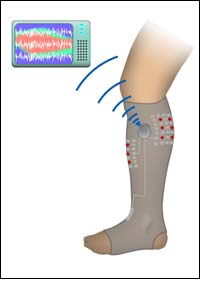
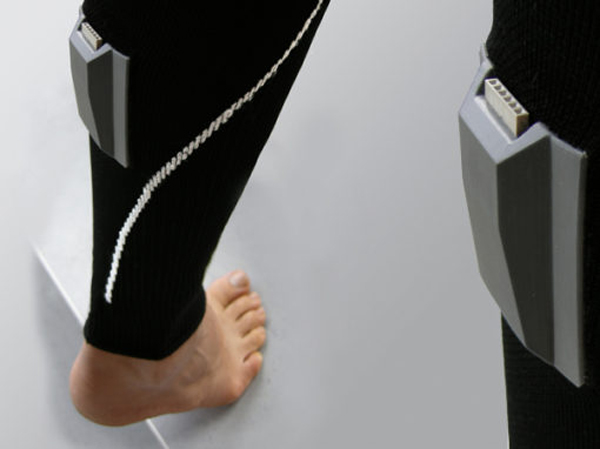
In order to scientifically evaluate the effects of various training aids and astronaut exercises, ESA and Danish smart textile company Ohmatex have collaborated to develop a smart sock that displays the electrical and metabolic activity of leg muscles by integrating near-infrared sensors and textile electromyography (EMG) electrodes into a special sock.
More information

Follow us
Hello, what can we do for you?
Copyright © Xiantao Dexing Plastic Products Co., Ltd / Xiantao Dexing Health Technology Co., Ltd | Powered by:300.cn
SAF Coolest v1.3.1.2 设置面板 FZUSD-ZSNG-OSSQE-ZWE
无数据提示
Sorry, the current column is being updated, please look forward to it!
You can view other columns or returnHome Page