


News Center
News Center
Sun Ruizhe made the "Work Report of the Fourth Executive Director Enlargement Meeting of the Fourth China Textile Industry Federation"
Release time:
2018-10-24
China Textile Industry Federation Fourth Fourth Report on the Work of the Expanded Meeting of Executive Directors Sun Ruizhe
China Textile Industry Federation Fourth Fourth
Report on the Work of the Expanded Meeting of Executive Directors
Sun Ruizhe
16 October 2018
Dear leaders, directors and representatives:
Hello, everyone!
This year marks the 40th anniversary of China's reform and opening up. Difficulties and hardships, Yuru Yu Cheng. Over the past 40 years, under the strong leadership of the Party, the Chinese people have successfully opened up the path of socialism with Chinese characteristics and achieved world-renowned development achievements. Reform and opening up have profoundly changed the future and destiny of the Chinese nation, and changed the global development pattern and historical trend. In this magnificent torrent of reform, China's textile industry has also made all-round and pioneering development. Today, China's reform and opening up has reached a new historical juncture. In the face of complex internal and external situations, the complexity and difficulty of promoting reform is even greater than that of 40 years ago. Experience tells us that if the industry wants to grow, it must advance in the logic of historical progress and develop in the trend of the times. To better develop, we need to work hard to clarify the historical logic and identify the trend of the times.
First, the transformation of China's textile industry in the past 40 years of reform and opening up.
1, Scale development to the leap of quality development, reform and opening up is the road of industry development.
The purpose of reform and opening up is to liberate and develop social productive forces. Over the past 40 years, the textile industry has always adhered to economic construction as the center and development as the last word, realizing the great transformation of the industry from small to large and from large to strong. In 1978, China's total fiber processing volume was 2.76 million tons, accounting for less than 10% of the world's total. In 2017, the fiber processing capacity reached 54.3 million tons, 19.7 times that of 1978. The industry has formed the most complete industrial chain in the world, and the product structure is more diversified. The proportion of fiber consumption in the three major terminal industries of clothing, home textile and industrial use was adjusted from 84:11:5 in 1980 to 45.5:27.6:26.9 in 2017. The industry's position as a pillar industry in the national economy has never been shaken. In 1978, the textile industry achieved a total industrial output value (constant price) of 47.32 billion yuan, accounting for 12.5 percent of the national industry. By 2017, the main business income of textile enterprises above designated size will reach 6893.56 billion billion yuan, accounting for 5.9 percent of the national industries above designated size. The industry's contribution to increasing foreign exchange is outstanding. In 1978, the national trade deficit in goods was 1.13 billion US dollars, and the trade surplus in textiles and clothing was 1.03 billion US dollars. In 2017, the trade surplus of textiles and clothing was 248.89 billion billion US dollars, 241.6 times that of 1978, accounting for 58.9 per cent of the country's goods trade surplus. The industry continues to promote total factor productivity and product value added. In particular, since the 18th National Congress of the Communist Party of China, the textile industry has taken the supply side structural reform as the main line, and the independent innovation ability, technical equipment level and product development ability have been greatly improved. The industry has entered a new period of high-quality development.
2, the extension of the domestic market to the international market, reform and opening up is the road to industry opening up.
Reform and opening up have enabled China to successfully realize the great historical turning point from closed and semi-closed to all-round opening up. In the process, the textile industry actively integrated into the trend of globalization and grasped the development opportunities. In the 1980 s, the industry followed the historical trend of global industrial transfer and opening to the outside world, and the export-oriented economy of "three to one supplement" developed rapidly. After joining the WTO in 2001, especially after the abolition of quota management in global textile trade in 2005, China's textile industry has entered the "fast lane" of global development, and has made major breakthroughs in management mode and equipment technology. Since the 18th CPC National Congress, in the face of the new international situation and taking the "Belt and Road Initiative" initiative as an opportunity, China's textile industry has begun to form a new pattern of comprehensive and open development, playing an increasingly important role in the construction of a community with a shared future for mankind. In 1978, China's textile and clothing exports were only 2.15 billion US dollars. In 2017, the export volume has reached 274.51 billion US dollars, 127.4 times that of 1978, accounting for 35.8 percent of the global proportion. The focus of the textile industry's use of international resources has changed from the initial "introduction" of products, capital, and technology to "going out". From the process of "going out", it has experienced "product going out", "production capacity going out", "capital going out" and "brand going out". At present, the backbone textile enterprises are actively carrying out the global industrial chain layout and transnational resource integration through greenfield investment and capital operation. As of 2017, there are more than 1,000 overseas investment enterprises in the textile industry, with an investment stock of US $8.81 billion and an annual operating income of more than US $10 billion. With the opening of China's door wider and wider, the pace of the industry going out is becoming more and more stable.
3. Switching from planned economy to market economy, reform and opening up is the way to stimulate the vitality of the industry.
From "planned economy as the mainstay and market economy as the supplement" to "planned market economy"; from the market playing a "basic role" in the allocation of resources to a "decisive role"; the process of reform and opening up is also the process of forming a market system and mechanism that conforms to China's national conditions and is full of vitality. As one of the industrial sectors with the highest degree of marketization in China, the textile industry has been greatly released. In 1978, 93.2 per cent of the total industrial output value of the textile industry came from enterprises owned by the whole people, while the rest were collective enterprises, with a single capital structure. From the mid-1980s to the end of the 1990 s, a series of major reforms, such as the rise of township enterprises, the transformation of the operating mechanism of state-owned enterprises, and the transformation of the cotton spinning industry, promoted the marketization process of the textile industry and contributed to the development pattern of the country retreating and the people advancing. The orderly development of foreign-funded enterprises has brought high-quality international resources such as capital, technology and talents to the textile industry. Full market competition, so that the industry resources have been more efficient allocation. According to the 2017 Statistical Yearbook, as of 2016, there are 186 state-controlled industrial enterprises in the textile industry with a total assets of 123.825 billion yuan. 163 in the clothing industry with a total assets of 27.548 billion yuan; There are 43 chemical fiber companies with total assets of 92.277 billion yuan. Among the private industrial enterprises, there are 13614 textile enterprises with total assets of 1149.894 billion yuan. There are 8922 garment companies with total assets of 540.423 billion yuan. There are 1260 chemical fiber companies with total assets of 219.212 billion yuan. Private textile enterprises are the most dynamic, potential and creative components in the market economy. They have become the backbone of building a textile power and have played an important role in promoting growth, expanding employment and enhancing vitality. Private enterprises have also been the main force in stabilizing exports in China's textile and garment industry. In 2017, private enterprises in the textile and garment industry exported 185.947 billion billion US dollars, accounting for 67.7 percent, an increase of 1.7 percentage points over the previous year. State-owned enterprises and foreign-funded enterprises accounted for 10.3 and 19.5, respectively, a decrease of 0.7 and 1.5 percentage points from the previous year. Recently, General Secretary Xi Jinping reiterated that "unswervingly develop the public economy and unswervingly encourage, support, guide, and protect the development of the private economy." For the future, industry private enterprises should be full of confidence.
4, respect for knowledge to innovation-driven promotion, reform and opening up is the road to industry innovation.
Reform and opening up is a brave experiment. There is no existing model to move and no existing path to follow. To achieve success, we can only rely on innovation. In the 40 years of exploration, the textile industry has taken science and technology as the primary productive force, aimed at the forefront of the world, deepened independent innovation, and made great progress. The overall manufacturing capacity of the entire textile industry chain has reached the international advanced level.In 2016, the total labor productivity of textile enterprises above designated size was 791600 yuan/person, 44.5 times that of 1978.Fiber material technology is developing rapidly. A number of fiber independent technologies such as carbon fiber and aramid have broken foreign monopolies. The rapid progress of textile manufacturing technology has begun to change to the direction of intelligence, green and service. Scene economy, platform economy and sharing economy are widely penetrated, and new models and services in the industry are emerging. Industry management innovation and practice fruitful results. Innovation has become the first driving force for the development of the industry.
Merit by talent, industry by talent. In fact, one of the important reasons for the great achievements made in the past 40 years of reform and opening up is the establishment of social values of respecting labor, knowledge, talents and creativity, which has successfully stimulated and mobilized people's enthusiasm, initiative and creativity. In the process of reform, the textile industry has also emerged a large number of outstanding textile people who adhere to the industry to serve the country, forge ahead, take responsibility and pursue excellence. It is their efforts and contributions that have led to the development of China's textile industry today. On the occasion of commemorating the 40th anniversary of reform and opening up, in order to better publicize the outstanding contributions of outstanding representatives of the industry and encourage textile workers to make new contributions in the new era, the Federation launched the activity of selecting "outstanding contributions to the textile industry in the past 40 years of reform and opening up. The 140 recommended outstanding contributors include four levels: first, representatives of mainland, Hong Kong and Macao entrepreneurs who have made outstanding contributions to the reform of state-owned enterprises, transformation and development, scientific and technological progress, brand management and international development, and have certain social influence; second, scientific and technological workers who have made outstanding achievements in scientific and technological progress and the industrialization of achievements, educators who have made great contributions to the reform and development of the education and teaching system and personnel training, and famous designers who have made pioneering contributions to the promotion of made in China; third, they are the main builders and promoters who are committed to creating industrial clusters and professional markets with international influence; the fourth is an outstanding representative of the national model workers who are dedicated to the industry, perseverance, dedication, and pursuit of excellence. On behalf of the Federation, I would like to pay tribute to their outstanding contributions and congratulate them on their selection.
In particular, the recommendation of "outstanding contributors" does not include leaders and staff who have worked in national/local industry management departments, industry associations and central enterprises. Their promotion of the reform, opening up and transformation and development of the textile industry is by no means "Outstanding contribution" can be described. We deeply cherish the memory of the old ministers such as Qian Zheguang and Chen Weiji who laid the foundation for the development of the textile industry in New China and the industrial take-off of reform and opening up, and thank the old leaders such as Chairman Hao Jianxiu who led the textile industry in the early stage of reform and opening up. Minister Wu Wenying who led the transformation and development of the textile industry from a "planned economy" to a "planned market economy, president Shi Wanpeng, who led the breakthrough in the reform of state-owned enterprises, namely" cotton spinning and pressing spindles "and started the great changes in the capital structure of the textile industry and stimulated the vitality of the industry, paid tribute to President Du Yuzhou, President Xu Kunyuan, President Wang Tiankai and other leaders who led the textile industry to complete the cross-century market transformation, plan development goals and develop practical paths for the construction of a textile power. Here, I would also like to express our deep respect to the leaders and staff at all levels who have worked in the Ministry of Textile Industry, the China Textile Federation, the State Textile Industry Bureau, the textile industry departments and bureaus of various provinces and cities, various industry associations, and central enterprises. I would also like to pay tribute to all colleagues who have devoted themselves to the textile industry. The textile industry can achieve today's achievements and become the leading industry with the most strength and potential to take the lead in entering a powerful country, which fully shows that the textile industry, with the joint efforts of all industry people, has been sharing the same fate with China's development, reform and opening up, resonates with the people's expectations for a better life, and is an excellent industry for mass entrepreneurship, innovation, strengthening the country and enriching the people.
5, the first preferential to balance the transfer of inclusive, reform and opening up is the industry win-win road.
In many cases, reform and opening up is a process of "crossing the river by feeling the stones", from point to surface and gradually advancing. In the case of limited resources and experience, it is a good way to concentrate efforts and diversify risks. Through policy preference and special affairs, potential regions and industries can have the opportunity to develop first. In the early days of reform and opening up, the textile and garment industry in the eastern region was like this. The first-mover advantage has enabled China's textile industry to still have about 3/4 of its productivity in the eastern region. As a model of making a fortune, a considerable part of the country's top 100 county economies started with textiles, and many of China's first rich people also come from this. With the deepening of reform and opening up, the first preferential benefits are beginning to migrate more to inclusive win-win. Under the guidance of regional coordinated development strategy and rural revitalization strategy, the regional development of textile industry tends to be balanced. Industry to the central and western regions of the gradient transfer. Industry clusters play an increasingly important role in the prosperity of county and town economy. The development of ethnic and intangible cultural heritage textile manufacturing industry provides an important way for the border areas and ethnic minority areas to get rid of poverty.
On the other hand, the textile industry has been committed to serving and improving people's livelihood. In such areas as clothing, food, housing and transportation, clothing has been the most thorough in meeting the needs of the people.In 1978, China's per capita fiber consumption was less than 3kg. By 2017, the per capita consumption had reached 22kg, more than 7 times that of 1978.Industry development has created a large number of jobs. In 1978, the number of employees in the textile industry was 3.112 million,In 2017, the number of employees in the textile industry above designated size was 9.726 million.At present, the textile industry employment population of about 20 million. At the same time, the textile industry is also an important entrance for the transfer of rural labor, providing more than 1000 million jobs and hundreds of billions of yuan in cash income for rural migrant workers every year. The industry uses about 9 million tons of domestic natural fiber raw materials every year, contributing to the development of agriculture and the increase of farmers' income. The road of reform and opening up is also a win-win road for the industry.
The new situation and new changes in the current development of the 2. industry
(I) the economic performance of China's textile industry since 2018
Since 2018, in the face of complex and changeable external situation, the textile industry has generally maintained a stable operation.
Internal and external markets performed well.Domestic demand market growth faster. According to data from the National Bureau of Statistics, the national retail sales of clothing, shoes, hats, and knitwear products above designated size increased by 8.9 year-on-year, and the growth rate increased by 1.6 percentage points from the same period last year; online retail continued to maintain rapid growth, and the national online wearing category Retail sales increased by 23.4 year-on-year, and the growth rate was 3.8 percentage points higher than the same period last year. Industry exports continued to pick up. According to customs express data, from January to August, China's total textile and clothing exports (excluding 94 chapters) were 181.4 billion billion US dollars, an increase of 3.7 percent over the same period last year, and the growth rate was 2.9 percentage points higher than that of the same period last year.
Production growth has slowed.From January to August, the industrial added value of textile enterprises above designated size increased by 2.8 year-on-year, and the growth rate slowed by 2.3 and 0.8 percentage points respectively compared with the same period last year and the first quarter of this year. In all links of the industrial chain, the production of cotton textile and printing and dyeing finishing industries slowed down significantly, with the industrial added value falling by 1% from January to August compared with the same period last year; the industrial added value of chemical fiber industry increased by 8.2 compared with the same period last year, 3.5 percentage points faster than the same period last year; the industrial added value of terminal clothing, home textile and industrial textile industries increased by 4.4, 5.2 and 8.3 respectively. The industrial added value of textile machinery industry increased by 13.1.
Continuous improvement in operational quality.From January to August, enterprises above designated size in the textile industry achieved a total of 3803.28 billion billion yuan in main business income, an increase of 4.6 percent over the same period last year, and a total profit of 179.18 billion billion yuan, an increase of 6.8 percent over the same period last year. From January to August, the sales profit margin of textile enterprises above designated size was 4.7, an increase of 0.1 percentage points from the same period last year; the turnover rate of finished products was 17.2 times per year, a slight decrease of 0.6 from the same period last year; the turnover rate of total assets was 1.3 times per year, and the ratio of three fees was 6.8.
The scale of investment has rebounded.According to the data of the National Bureau of Statistics from January to August, the total amount of fixed asset investment in the textile industry increased by 4.2 compared with the same period last year, down 2.8 percentage points from the same period last year, but rose 7.5 and 2.9 percentage points respectively compared with the first quarter and the first half of this year. In terms of different industries, the growth rate of the textile industry increased by 4.2 percentage points to 5% compared with the first half of the year, the chemical fiber industry increased by 29% year-on-year, maintaining rapid growth for 5 consecutive months, while the investment in the clothing industry decreased by 3.8 year-on-year.
Since the beginning of this year, the industry has played an active role in stabilizing the economy, expanding domestic demand, and resisting risks, and its role as a deterministic factor in the economy has become more prominent.
The international situation of the development of the (II) industry
At present, the world is undergoing major changes unseen in a century, the momentum of development has been profoundly adjusted, and the world's multipolarization and economic globalization are developing in depth. On the one hand, driven by technological innovation and trade cooperation, factor resources continue to break through geographical, organizational, and technological boundaries, and accelerate their flow on a global scale. The global industrial chain, value chain and innovation chain are deeply intertwined and increasingly closely linked. On the other hand, the relative importance of different factors and the resource endowment advantages of different countries are changing significantly. The focus of production capacity and consumer markets is shifting to emerging countries, and the global industrial division of labor is being reshaped. In the process of contact and change, international competition is becoming increasingly fierce. Global trade relations have become more complex, trade frictions have become more frequent and strategic. The current Sino-US trade conflict is the result of unilateralism, protectionism and economic hegemony practiced by the United States in order to consolidate its own advantages and interests, regardless of international rules.
The rise of trade protectionism has increased the instability and uncertainty of global economic development. According to the World Bank, the global economy's dependence on trade growth has risen from 17.5 percent in 1960 to 51.9 percent in 2017. The expansion of the scale and scope of trade frictions and the widespread rise of tariffs have undermined the integrity and cohesion of the global industrial chain and supply chain, which has a significant negative impact on global trade. The World Trade Organization predicts that due to trade frictions, global trade growth will decline by 0.3 percentage points this year. Increased tariff and non-tariff trade barriers will undermine innovation cooperation and slow the diffusion of new technologies, which in turn will lead to a decline in global productivity and investment rates. More directly, trade conflicts impact global financial markets by affecting market expectations, and stock markets, bond markets, money markets, and commodity markets will all be affected. Recently, the normalization of monetary policy in major economies, especially the strengthening of the siphon effect of the strong US dollar on international capital, has tightened global liquidity and further increased the risk of emerging economies with higher debt levels. Facing the external situation, China is building an open economy with a more positive attitude.
Domestic situation of (III) industry development
Policy direction began to adjust.China is in the decisive stage of building a moderately prosperous society in all respects. Fighting the three major battles is an urgent task currently facing us. The Sino-US trade friction has compressed the space for domestic economic growth to a certain extent, increasing the risk and difficulty of reform and development. Around the new changes, the Politburo meeting of the CPC Central Committee on July 31 proposed to "stabilize employment, finance, foreign trade, foreign investment, investment and expectations". The word "stability" has become the main tone and theme of the next stage of economic work. Policy direction began to adjust, focusing on the steady and healthy development of the economy, focusing on layout certainty. For example, the state has more frequently expressed its support for independent innovation, opening up to the outside world, supporting the development of entities and supporting the private economy; the intensity and pace of deleveraging are being adjusted; and more attention has been paid to the difficulty and high cost of financing for enterprises.
Development momentum began to adjust.Consumption has become the main driving force of domestic economic growth, and consumption upgrading is the main theme of current consumption. From the content point of view, domestic consumer demand is undergoing a trend change, starting from the satisfaction of weight to the pursuit of quality improvement, from focusing on tangible products to focusing on service experience. At the same time, as the world's largest developing country, national consumption is still in a state of coexistence and superposition of survival consumption, life consumption, quality consumption and experience consumption. Under the influence of policies such as regional coordinated development strategy, rural revitalization strategy, and targeted poverty alleviation, consumption in third-and fourth-tier cities has accelerated and upgraded, and rural consumption has grown strongly. The emergence of new entrances, new models and new channels such as Duoduo has further released the consumption potential. These changes in the market provide strong support for high-quality development.
Development logic began to adjust.Driven by capital and networks, represented by net red and explosions, the logic of corporate growth is changing. The formation of "brand effect" begins to become simple and direct, and short-term fragmented emotions can be quickly accumulated through the Internet and then transformed into commercial value. With the help of capital power, enterprises can achieve expansion and cross-border in a short time.The network effect is more significant.After gaining a traffic advantage, companies may expand by leaps and bounds in a relatively short period of time. For example, it took 12 years for Starbucks to open 500 coffee shops in China and only five months for Luckin Coffee.The Matthew effect is more pronounced.The advancement of structural reforms and the high concentration of traffic have promoted the process of survival of the fittest, and the pressure on enterprises with weaker competitiveness is increasing.Integrity becomes even more important.Lack of credit can cause the collapse of entire businesses and even industries.
(iv) Structural changes in the market facing the industry
In the context of complex changes in the international and domestic situation, the market is undergoing structural changes in four dimensions.
1. Changes in the structure of the industrial chain: the center of gravity is shifting and the value of manufacturing is being re-recognized.
The new technological change brings about the change of the core competence and core value of the industrial chain, and the manufacturing value is being re-recognized. The World Investment Report 2018 issued by the United Nations pointed out that in response to the opportunities and challenges of the new industrial revolution, in the past ten years, at least 101 economies around the world (accounting for more than 90% of global GDP) have introduced formal industrial development strategies. The manufacturing sector has become the core concern and hot area of current international competition. This Sino-US trade conflict embodies this point. The United States imposed tariffs and built high trade barriers, on the one hand, in order to curb the implementation of China's manufacturing 2025 and other strategies, but also intended to force manufacturing companies to return to the United States.
In fact, with the deep integration of information technology into all aspects of the textile value chain, such as design, research and development, production and service, industry enterprises have begun to change from providing products to providing experience, from manufacturing to service manufacturing, and from providing equipment to providing overall solutions. A sound manufacturing system is an important source of technological innovation and process innovation, as well as an important support for application landing and model innovation. In the direction of intelligence and service, manufacturing is gradually becoming the center of industrial innovation and value realization.
The market practice of the industry has also proved more and more that the manufacturing link is not necessarily at the low end of the value chain, and the logical judgment of the "smile curve" needs to be re-examined. Take Shenzhou Group as an example. As a production and processing enterprise, its stock price has doubled 60 times in the past eight years, and its current market value has exceeded 140 billion yuan. Even with the impact of the Sino-US trade conflict and the overall turmoil in the capital market, companies still show a strong momentum of development. The supply chain has jumped out of the shackles of traditional brand logic and has become the core strategic resource of competition. NetEase strict selection, Mijia have products, Taobao heart selection, Jingdong Beijing manufacturing and other platforms, through the integration of supply chain resources, eliminate brand premium, achieved good development.
2. Changes in the structure of factors: knowledge as a factor is deeply integrated into the global economy, and the role of innovation is becoming increasingly prominent.
At present, the importance of knowledge as a factor of production is being highlighted, and a large number of new ideas, technologies, processes and models have emerged. Knowledge is profoundly changing the industrial landscape. According to the Science and Engineering Index 2018 released by the National Science Foundation of the United States, knowledge-intensive services accounted for 15% of world GDP in 2016, high-tech manufacturing accounted for 2% of world GDP, and medium and high-tech industries accounted for 4% of world GDP. Knowledge and technology-intensive industries have become an important industry to promote global economic growth. Characterized by intelligence, green and ubiquitous, knowledge and technology are emerging in a platform, agglomeration and integration way; creative design and fashion culture are also profoundly changing the value composition of products and industries. As far as the textile and garment industry is concerned, in the deep integration of information technology, textile technology, material technology, and environmental protection technology, the content of supply methods is also richer. Smart wearable, multi-functional textiles and other combined innovation rapid development.
The global innovation landscape is refactoring at an accelerated pace, with the United States still at the center, Europe at the center, and Asia significantly improving. Generally speaking, major innovations, especially those across fields and disciplines, have a better generation environment and diffusion application environment than before. Knowledge is playing an increasingly important role in creating new kinetic energy for development. Along with it, the global competition around the construction of innovation ecology is more intense, and the layout of intellectual property rights is more closely related to global trade cooperation and industrial transfer. "Technology patenting, patent standardization, and standard monopolization" have become new rules for international competitive advantage. The US trade war against China has also made intellectual property a key area of concern. It can be predicted that it will be more and more difficult for China to import technology from outside in the future. Trade friction also makes the status of independent innovation in the national economy more prominent. In particular, the occurrence of the ZTE incident has caused the society and the capital market to reflect on the technology industry. What is the real technology industry? Can applied innovation replace technological innovation? Such reflection helps to accelerate the innovation and development of the industry and create a good macro environment for transformation and upgrading. For example, on September 21, the Ministry of Finance, the State Administration of Taxation and the Ministry of Science and Technology jointly issued a document to increase the proportion of pre-tax deductions for corporate R & D expenses.
3. Changes in channel structure: The new economy bid farewell to barbaric growth, and channel development will be more standardized and mature.
As an important industry outlet and value channel, the new economy is playing an increasingly important role in promoting economic and social development and meeting the needs of a better life. But behind the rapid development is also the smell of barbaric growth. Due to the large scale, wide area, new technology model and fast growth iteration, the relevant areas of the new economy have been lagging behind in policy formulation and supervision for a long time. Some places do not consider objective reality, from "only GDP" to "only new economy". The excessive participation of capital also encourages some related enterprises to change from focusing on "quality and value" to focusing on "flow and valuation". This makes challenging the legal bottom line and breaking through moral boundaries happen from time to time. But the situation is fundamentally changing, and the new economy is moving towards regulation. As an important component of the new economy, e-commerce is particularly obvious.
The new e-commerce law sends three important signals:One is equal market status.The state treats online and offline business activities equally, promotes the integration and development of online and offline, and market norms will be carried out under the principle of non-discrimination and non-discrimination. For example, the e-commerce law clearly stipulates that e-commerce technology is neutral, format is neutral, and mode is neutral; micro-merchants and purchasing agents are included in the scope of supervision, and industrial and commercial registration must be handled in accordance with the law; online and offline tax burdens are consistent, and the "bonus period" of not paying taxes in the name of natural person online stores has passed.Second, the main standard operation.Highlight platform responsibility and consumer protection. If the e-commerce platform fails to fulfill the obligation of reviewing the qualifications of the operators on the platform, or fails to fulfill the obligation of safety protection to consumers, causing damage, it shall bear corresponding responsibilities in accordance with the law. The choice of e-commerce platform, fake sales, bundled sales and other issues should bear legal responsibility.The third is to emphasize data protection.Information disclosure requires truthfulness and accuracy. It is illegal to make up transactions and fabricate user evaluations; e-commerce platforms may not delete consumer evaluations. To protect data security and fair use. Big data is prohibited, and marketing push needs to provide the consumer with options that are not specific to his or her personal characteristics. These will have a significant impact on the construction of industry channels. As the legal boundaries of the new economy become clearer, the awareness of the rules and bottom line of the industry will continue to increase, and the entire market structure and development model will also undergo major changes.
4. Changes in value structure: Green development has become the source and lifeline of value.
To protect the ecological environment is to protect the productive forces, and to improve the ecological environment is to develop the productive forces. Green development has become a consensus, and the form is changing from responsibility to value. From the formal implementation of the environmental protection tax law at the beginning of the year, the market rule of "benefiting from pollution control and emission reduction and damaging excessive emission" was established; to the official launch of the national carbon emission trading system and the nationwide promotion of the emission permit system; from the central bank's formulation of the "Green Credit Performance Evaluation Plan for Banking Deposit Financial Institutions (Trial)", actively promote the development of green finance; to the "Opinions on Innovating and Improving the Price Mechanism for Promoting Green Development further improve the price mechanism combining incentives and constraints, determine the degree of resource scarcity, ecological value and environmental damage costs; green and environmental protection elements began to be fully integrated into the industry production system and value system. According to data from the State Administration of Taxation, in the first half of the year, environmental protection tax was declared and put into storage in 9.68 billion yuan, an increase of 1.75 billion yuan, or 22.1 percent, compared with the same caliber sewage charges in the same period last year. The declared emissions of major water pollutants, chemical oxygen demand and ammonia nitrogen, as well as major air pollutants, sulfur dioxide and nitrogen oxides, all decreased. Green water and green mountains are not only natural wealth, ecological wealth, but also social wealth and economic wealth. Responsibility assetization enters the fast lane.
At present, the construction of China's ecological civilization is in a critical period of superimposed pressure and heavy load, and it has also reached a window period when it has the conditions and ability to solve outstanding problems in the ecological environment. On June 16, the Central Committee of the Communist Party of China and the State Council issued the "Opinions on Comprehensively Strengthening Ecological Environmental Protection and Resolutely Fighting Pollution Prevention and Control", and the pollution prevention and control battle has achieved the landing from strategy to tactics. The second round of central environmental supervision was launched on August 20 and will end on November 11. The third round of environmental supervision will also be launched afterwards. Green environmental protection presents a high-pressure situation, and the system is becoming a rigid constraint and an untouchable red line. Doing a good job in environmental protection is related to value creation and even more to the life and death of enterprises. The influence of factors such as policy force, market clearance, product premium, etc., makes the industry enterprises that lay out green development in advance are gaining more and more competitive advantages.
At present, the changes in the internal and external situation and the structural changes in the market are great challenges to the development of the industry, but from another perspective, it also provides historical opportunities for the structural adjustment of the industry. In the face of the new situation, industry work, promising.
III. Work of China Textile Federation on High-quality Development since 2018
Since 2018, China Textile Federation has adhered to the general tone of seeking progress in the midst of stability, carried out in-depth and meticulous work around the general requirements of high-quality development, and achieved very good results.
First, Ming Dao, in-depth combination of theory and practice, in scientific research and judgment to guide the healthy development of the industry.
1. Deepen party building and ideological construction, and maintain the correct direction of industry development
Adherence to the Party's leadership is the fundamental guarantee for the realization of all undertakings. Since the beginning of this year, the China Textile Federation has further established a sense of the overall situation, standardized its own behavior, and strengthened ideological construction. The Party committee of the association and Party organizations at all levels continue to implement the normalization and institutionalization of "two learning and one doing" learning and education, and thoroughly study Xi Jinping's new era of socialism with Chinese characteristics and the spirit of the 19th CPC National Congress. Closely centering on the core of the party's leadership, through the party day activities with the theme of "never forget the original ideal and ambition and bear in mind the mission" and the spiritual rotation training class of the 19th CPC National Congress, we will improve the ideological awareness of party members and guide the industry to move forward along the correct road of building socialism with Chinese characteristics in the new era. Strengthen the construction of the team and enhance the party spirit consciousness of the party members. Hold democratic life meetings, organize life meetings and other activities to guide party members and leading cadres to investigate problems, and carry out criticism and self-criticism. In accordance with the inspection and rectification and the requirements of the Party Construction Bureau of the SASAC Association and the Party Committee of the China Textile Federation, the preparatory work for the change of the Party Committee of the China Textile Federation and the election of some grass-roots party organizations under the Party Committee of the China Textile Federation have been successfully completed. The development mechanism of the industry has been continuously improved, and the vitality of the industry has been further released.
2. Promote research and statistics to improve the accuracy of industry services
Investigation and research is the foundation of planning and the way to success. First, based on practice. Relying on their own work, each member unit conducted in-depth investigations on key enterprises and industrial clusters in response to the common, basic and key issues in the development of the industry, and formed rich results, which provided a guiding basis for industry work; completed the spring survey action, 11 research groups 37 symposiums were held in 43 towns in 15 provinces and cities, and more than 100 enterprises were investigated on the spot, and the first-hand industry development status was mastered, provide timely and effective services for enterprises. Second, the data for the drag. On the one hand, the daily statistical work is carried out in an orderly manner, timely transmission of industry operation status, market public opinion and business information, providing effective support for government decision-making, enterprise operation and industrial research; regular enterprise prosperity survey, industrial cluster statistical survey and analysis, and regular release of textile and clothing professional market prosperity index. On the other hand, it actively expands international data channels to provide support for the industry to grasp the international development trend and enterprises to go global. Completed the submission of data and information such as "International Spinning Union Cotton Industry Statistics", "International Spinning Union Country Report" and "International Textile Production Cost Statistics.
3. Deepen basic research and improve the scientific nature of industry services
Focusing on the overall situation of the country and the actual development of the industry, the China Textile Union actively carries out scientific research, and the role of industry think tanks is constantly highlighted. Improve the top-level planning of the industry. Through the mid-term evaluation of the "13th Five-Year Plan" of the textile industry, the revision of the "Outline for Building a Textile Power (2011-2020)" and the compilation of the "Action Plan for Promoting High-quality Development in the Textile Industry", it provides a scientific basis for the systematic development of the industry. Strengthen the international situation. Focusing on the specific concerns of the country, in response to the latest situation of the Sino-US trade war, actively cooperated with relevant ministries and commissions to conduct trade research and provide countermeasures and suggestions, effectively safeguarding the interests of the country and the textile industry. Relevant materials such as "The Impact of Sino-US Trade Friction on the Textile Industry and Suggestions for Response" and "The Trade Situation of Sino-US Textile and Apparel Industry and the Impact of Tariff Increase on Our Industry" were submitted. Deepen thematic research. In the development strategy, market research, e-commerce and other aspects of the formation of a rich research results, for the industry to provide intellectual support. Conducted the "global textile industry productivity development status, trends and countermeasures research", "2017 textile and garment e-commerce operation analysis", "material field can be transformed into the national military standards research" and other topics.
Second, take the trend, international and domestic overall consideration, in the market coordination to promote the balanced development of the industry.
1. Around the expansion of domestic demand, promote the rational allocation of resources
In the new era, regional development strategies, precise poverty alleviation and rural revitalization strategies have become important concerns for national development. China Textile Union deeply connects characteristic industries and characteristic businesses, takes industrial clusters and industrial transfer as the starting point, promotes the rational allocation of industry resources, and promotes industrial poverty alleviation. Strengthen the research on regional development and industrial layout, and carry out systematic planning from the height of the industry. Complete the "Research Report on the Industrial Layout and Transfer of the Textile Industry" and the "Research Report on the Regional Coordinated Development Strategy of the Textile Industry. Actively expand the construction of innovation demonstration bases and characteristic towns, establish the China Garment Excellent Manufacturing Promotion Committee, Fashion Industrial Park, etc., and significantly improve the level of industrial cluster brand building, manufacturing and technology application. Cluster services are deepened. Through activities such as the 2018 National Textile Industry Cluster Work Conference, the transformation, upgrading and coordinated development of industrial clusters have been effectively promoted. In the first half of the year, the China Textile Federation and the Nanchong Municipal Government signed the "Strategic Cooperation Agreement on Cultivating Silk Textile and Garment Industry Clusters of 100 Billion" to promote the structural adjustment, transformation and upgrading of Nanchong cocoon and silk industry clusters.
Meeting the people's growing needs for a better life is the core task of comprehensively deepening reform. China Textile Union seizes the focus of expanding domestic demand and promotes the integration of internal and external resources with the help of the general trend of domestic consumption upgrading. Tap consumption potential. According to their own business, various industry associations have effectively promoted internal and external cooperation and significantly improved the efficiency of the supply chain by organizing industrial development planning, forum activities, innovative project promotion, exhibition resource collaboration, product fairs and other activities to connect industry resources. Successfully held the Shanghai International Digital Printing and Printing and Dyeing Automation Technology Exhibition, Textile Future Exhibition and other activities, realizing the seamless connection of the upstream and downstream industrial chain. Through the holding of China Wool Textile Products Fair, Textile Raw Materials Yarn Fabric Conference, 2018 China Keqiao Gray Cloth Textile New Materials Exhibition and other activities, we will assist enterprises in market expansion and promote the docking of professional markets with clusters and parks.
2. Around the expansion of opening up, deep links to international resources
Enhance exchanges and strengthen consensus.At present, China is building an open economy with a more positive attitude. Under the new situation, China Textile Union is based on the development needs of the industry and drains international advantageous resources. Through the convening of the first World Cloth Merchants Conference in 2018, the first World Fiber New Materials Conference, the 2018 Global Textile and Apparel Supply Chain Conference and other international conferences, the understanding of various stakeholders in the market, policy, culture and other fields has been enhanced, and mutual trust in the industry has been strengthened. Continuously optimize the global layout of industry diplomacy and deepen bilateral and multilateral exchanges. Go to Southeast Asia, Africa, the Middle East, France and other countries and regions to carry out industry diplomacy, make full use of international platforms such as the International Textile Federation to actively speak out, expand the circle of friends in the industry, and create a good international atmosphere for the industry to go global. At the same time, member units and sub-industry associations have enhanced the international influence of the textile industry by carrying out various forms of art tours, overseas roadshows, cultural weeks, international competitions and other activities.
Pragmatic cooperation, leveraging development.In the first half of 2018, China Textile Federation successfully held 6 domestic exhibitions and 4 overseas exhibitions, organized enterprises to participate in 4 overseas exhibitions, and organized 78 groups, involving more than 20 countries and regions, effectively promoting the cooperation of global stakeholders. Emerging economies have become increasingly prominent in the development of the industry. The Federation began to pay more attention to the market procurement needs of emerging countries and regions such as Southeast Asia, Africa, and the Middle East, and actively invited foreign clothing and apparel companies to visit the country and organize one-to-one trade negotiations and other activities. Carry out investment inspections and in-depth docking projects along the "Belt and Road" and key countries and textile industrial parks, and effectively promote the complementary advantages of industries in relevant countries and regions. At the same time, deepen international cooperation in the fields of science and technology, fashion, and green, make full use of international innovation resources, continuously improve independent innovation capabilities, and promote industry transformation and upgrading.
Third, excellent technology, quality and efficiency go hand in hand, in professional services to promote the full development of the industry.
Enhance the ability of innovation and development.At the key point of transformation and upgrading, innovation has become an important driving force for the development of the industry. China Textile Federation attaches great importance to the construction of industry technology and innovation capabilities, and enhances the industry's independent innovation capabilities through various activities such as special fund awards, project cooperation, technology promotion, academic conferences, and technical forums. In the first half of the year, organize the implementation of 4 "Twelfth Five-Year" national science and technology plan project acceptance and 15 "Thirteenth Five-Year" national science and technology key special achievements exchange and recommendation work; carry out the 2018 National Science and Technology Award nomination, China Textile Union Science and Technology Award, etc. The application work of awards guides the industry to strengthen innovation in key areas; start the identification of key laboratories and textile technology innovation centers in the textile industry, and promote the construction of textile technology innovation system; with the help of China Textile Industry Intelligent Manufacturing Conference, China Shengze Textile Intelligent Manufacturing Conference and other conferences, we will promote the integration of the two industries. We will promote standardization, start the compilation of the national military standard system, the research and formulation of intelligent manufacturing standards, and the revision of CNTAC standards, so as to strengthen the scientific and technological influence of the industry. Carry out continuing education and training of scientific and technological personnel in the industry to cultivate reserve forces in the industry. The development of scientific and technological work in the industry has effectively enhanced the ability of independent innovation in the industry and created a good atmosphere for innovation and entrepreneurship.
Enhance fashion creative ability.Fashion is one of the strategic highlands of international competition in the textile industry. In the first half of the year, in order to improve the cultural and creative level of the industry and build the soft power of the industry, China Textile Union organized brand building, professional training, demonstration declaration, fashion promotion and other work to accelerate the fashion transformation of the industry. On the platform of large-scale, normalized and comprehensive industry exhibitions, we will study and release the fashion trends of colors, fibers, fabrics, clothing and home textiles, and enhance the fashion influence of the industry; hold activities such as the 2018 China Textile Intangible Heritage Exhibition, the "Splendid China" clothing show, the Revitalization of traditional Crafts Forum, Splendid Silk Road-China Fine Embroidery Art Exhibition, etc., to protect and inherit the intangible cultural heritage of the industry; carry out activities such as China International Fashion Week, China Fashion Conference, Fashion Design Forum, SIUF2018 China Underwear Culture Week, Design Competition, etc., to promote industry fashion exchanges and improve industry fashion discourse power; innovate service methods, complete the development of color management software, and launch online fashion information services and China Fashion Design Sharing Platform.
Enhance green development capacity.Green water and green mountains are golden mountains and silver mountains, and green has become an important value scale to measure the development of the industry. China Textile Union attaches great importance to the environmental problems of the industry, focusing on energy conservation and emission reduction, clean production and comprehensive utilization of resources. In the first half of the year, the Federation actively cooperated with the government, participated in the revision and compilation of a series of policy documents on the discharge standard of water pollutants for textile dyeing and finishing industry, cooperated with the Ministry of ecological environment to carry out special treatment of water pollution in key industries, established the group standard working group of energy conservation and comprehensive utilization of China Textile Industry Federation, and absorbed a group of experts and scholars as the backbone of standard formulation or approval, To provide the basis for standardization work, carry out technical consultation on energy conservation and consumption reduction of enterprises, cultivate enterprises to carry out green design, develop green products, and build green factories; international exchanges in the green field are deepening day by day, and China Textile Federation and WWF work together to carry out research on the layout of the Yangtze River Economic Belt and the impact of the water environment in the textile industry; promote and deepen the certification of "green fiber, established the textile supply chain" Green Manufacturing Industry Innovation Alliance "," Regenerated Cellulose Fiber Industry Green Development Alliance "," China Plant Dyeing (Grass Dyeing) Industry Alliance ".
Leading industrial quality upgrading with demonstration.Discovering and encouraging the advanced productivity of the industry is an important starting point to improve the overall development level of the industry. The establishment of advanced models can produce the driving effect and radiation effect of "one flower attracts thousands of flowers. Focusing on the new development of the industry, China Textile Federation has actively carried out selection activities such as the Textile Industry Quality Award, the 2018 Textile Industry Informatization Achievement Award, the China Clothing Award, and the pilot demonstration enterprise of intelligent manufacturing in the textile industry, and found advanced experience in the industry. Organize activities such as the recommendation of China's textile craftsmen, the selection of national outstanding entrepreneurs, the skills competition, and the 2018 of the academic award of China Textile Engineering Society to cultivate the industry innovation atmosphere. An important task this year is the evaluation of the competitiveness of Chinese textile and garment enterprises. The evaluation focuses on the high-quality development of the industry, which is more than the size, and measures the scale level, growth ability, profitability, human quality, asset quality, rapid response ability, innovation ability, social responsibility and so on. Finally, the competitive enterprises of China's textile and garment enterprises in 2017-2018 and the top 100 enterprises with main business income of China's garment enterprises in 2017 were selected. The development of the work provides an effective basis and reference for industry enterprises to further enhance their comprehensive competitiveness, and the leading demonstration effect of advanced enterprises also helps to promote industrial upgrading through mutual learning and mutual learning.
Fourth, the United, the main body and mode continue to enrich, in the platform construction to promote the coordinated development of the industry.
Improve the consensus of industry development and build a platform for industrial cooperation.On the one hand, China Textile Federation attaches great importance to media publicity work, with the help of media, exhibitions, fashion weeks, conferences and other platforms to promote the development status and development concepts of the industry to the society. At the same time, taking the China Textile Art Exhibition and the series of reports on the textile industry on the 40th anniversary of reform and opening up as an opportunity to deeply explore and publicize the value of the industry, break the unrealistic and outdated impression lock, and enhance the society's awareness and recognition of the work of the industry. On the other hand, build a platform to enhance cooperation. Focusing on major concerns such as product development, green development, integration of industrialization and industrialization, and military-civilian integration, China Textile Union has further promoted the research and release alliance of popular trends, the "green manufacturing" industry innovation alliance of the social responsibility textile supply chain, and the alliance of textile international production capacity cooperative enterprises. Actively expand new areas, break through organizational boundaries, and guide multi-resource cross-border cooperation. The establishment of the China Textile Industry Industrial Internet Alliance, China Carbon Fiber Composite Application Technology Innovation Alliance, China Clothing IOT Ecological Alliance and other institutions. Improve public services and strengthen enterprise collaboration. Set up a government-school-enterprise cooperation platform, a public service platform for private enterprises to join the army, a research center, an industrial park work office, a consortium of intelligent manufacturing societies and other platforms.
Deepen the construction of social responsibility and promote cooperation among stakeholders.China Textile Union takes a positive attitude to implement the construction of people-oriented responsibility, environmental responsibility and market responsibility in the industry, promote the formation of consensus on responsibility, and promote the co-governance of multi-dimensional responsibility in the industry. The first is to strengthen international cooperation and sign a memorandum with the Global Foreign Trade Association Amfori, OECD and other institutions to complete the ''Overseas Investment and Corporate Social Responsibility of China's Textile and Apparel Industry: four Asian Countries Research Report, Production, Market Status and Social Impact Analysis Report of Handmade Carpet Industry in Western China, Three-Year Action Plan for Overseas Sustainable Development of China's Textile and Apparel Industry under the Belt and Road Initiative (2018-2020), etc. The second is to enhance supply chain collaboration. Through the development of tools such as green manufacturing supply chain environmental ancestral chemicals, carbon and water management innovation platforms, a series of activities such as the annual meeting of social responsibility of China's textile and garment industry, the Shengze Summit on Sustainable Development and Regional Cooperation in Asia, and the China Textile Ecological Civilization Tour will be held to promote in-depth exchanges and cooperation among stakeholders in the supply chain. The third is to promote the construction of the integrity system, carry out the second batch of recycled polyester fiber industry standard access, advocate the establishment of the integrity supply chain of clothing brand enterprises, and establish a fair competition market environment, so that the interests and demands of all parties can be well realized.
Strengthen capital operation and promote industry-finance cooperation.Capital has become an important link for the industry to connect the upstream and downstream of the value chain and realize cross-border cooperation between industries. In the first half of 2018, the China Textile Federation actively promoted the integrated development of the industry and the financial market around the "Three-Year Action Plan for the Integration of Industry and Finance in the Textile Industry. Joint textile various listed companies, securities firms and investment companies to organize the development and promotion of forward-looking leading projects in the industry, and expand the field of industry-finance cooperation. The establishment of a special fund for industrial development will provide strong support for the combination of production and integration of enterprises. Strengthen capacity building, in-depth development of relevant training, consulting, seminars and other comprehensive investment and financing services for enterprises, and strengthen the service capabilities of listed textile and apparel companies. Conduct a thorough investigation of listed companies, companies to be listed and enterprises with financial service needs, select key cultivation enterprises to participate in the selection and announcement of the list of key cultivation enterprises in the textile industry in 2018, and provide support for key enterprises through various platforms and service means of the association. Around the needs of the industry's leading enterprises in the combination of industry and finance, the relevant databases such as "cultivating the information database of enterprises to be listed" and "M & A and restructuring enterprise information database" have been established to provide the basis for the follow-up work.
Thank you very much for your hard work and hard work. It is precisely because of everyone's efforts that the work of China Textile Federation has developed vigorously, and the industry has made steady progress on the road of high-quality development.
4. actively and steadily promote the future work of China Textile Federation
First, we must concentrate our efforts to create a good industry development ecology.
1. Strengthen internal construction and optimize the platform
The more the environment is full of variables, the more it is necessary to enhance its own certainty. We must closely focus on the party's requirements for industry associations in the new era, strengthen the platform's own capacity building, and guide the industry to develop in a more healthy and orderly manner. Strengthen party building work, continue to implement the normalization and institutionalization of "two studies and one doing" learning and education, ensure that party members and cadres are always consistent with the Party Central Committee, and promote the development of various affairs of the association with the results of party building. Improve the top-level design of the Federation's work and services. Improve the internal management system, promote the construction of financial and personnel systems, and strengthen the implementation of various rules and regulations; adjust and improve various working committees and branches to promote the orderly and standardized operation of various tasks. Strengthen departmental collaboration and promote the organic development of business. Take large-scale exhibitions, important activities and major projects as the link to promote the complementary advantages of all member units. Gradually improve the modularity, specialization, and differentiation of the business, form a more flexible service framework and platform, and reduce unnecessary work crossover and repeated investment. Promote the process of informatization, complete the operation of the collaborative office information management platform of China Textile Federation, give full play to the functions of trade unions, organize amateur cultural activities, and meet the spiritual and cultural needs of employees.
2. Clarify the development direction and strengthen the momentum
The pattern determines the upper limit of value, and the direction determines the end point. The work of the association should find the starting point, focus and foothold in the overall situation of national development. We should not only focus on economic indicators, but also see strategic value; we should not only borrow the strength of enterprises for a while, but also give the industry a lasting momentum.
On the one hand, it is necessary to consolidate basic research and enhance the sensitivity and application ability of policy. The Federation and its member units should strengthen industry statistics and research, timely understand the demands of the industry, and do a good job in situation research and judgment. At the same time, it is necessary to carry out in-depth policy and forward-looking research around the national strategy and industry reality, carry out policy interpretation and applicable guidance to industry enterprises, provide support for government decision-making and industrial development, and then safeguard the interests of the industry.
On the other hand, we must do a good job of propaganda and guidance to shape a new image of China's textile industry. For a long time, the society has some cognitive bias and impression locking on the textile industry. The serious mismatch between industry contribution and industry status makes it difficult to recruit workers, finance and obtain government support, which has become an old problem for enterprises. The outbreak of the Sino-US trade conflict has made the society re-examine the value of manufacturing industry. We must seize this opportunity and actively publicize and guide. With the help of media, exhibitions, fashion week and other platforms, to publicize the development of the industry to the public, so that the new label of "science and technology, fashion, green" industry is more deeply rooted in the hearts of the people.
Second, it is necessary to strengthen the foundation and consolidate the foundation, and do a solid job in the basic and fundamental work of the industry
Actively implement the "Guiding Opinions on Further Promoting the Implementation of the Outline of Building a Textile Power (2011-2020)", and carry out in-depth industry work around the four main directions of "textile technology power, brand power, sustainable development power, and talent power.
Deepen scientific and technological innovation in the industry.The Federation will take scientific and technological service work as the starting point to promote the industry's technological and application innovation in key areas such as new materials, green manufacturing, intelligent manufacturing, and industrial Internet, and enhance the industry's independent innovation capabilities. Track the development of new technologies, new products, and new equipment in the industry, actively promote the work of innovation alliances, and help enterprises to transform, promote and apply technological achievements. Relying on key industrial clusters, focusing on the innovative development of small and medium-sized enterprises, integrating resources, and building and improving the industry's public technical service platform. Continue to do a good job in science and technology planning and planning, scientific and technological achievements promotion, national science and technology key special research, achievement awards and other work. Actively promote the development of standards in the fields of industry integration and intelligent manufacturing, improve the evaluation standard system related to intelligent manufacturing pilot demonstration, coordinate the promotion of CNTAC group standards and norms platform, and enhance the scientific and technological influence of the industry through the establishment of standards.
Establish brand and quality significant advantages.Actively help to create the industry's "big name, master, big event", create a fashion ecology based on cultural self-confidence, and enhance the industry's fashion discourse power. Enhance consumers' sense of identity and recognition of Chinese products. Expand the brand cultivation management system industry standard publicity scope, continue to carry out brand professional personnel training. Through the development of regional brand pilot, textile industry industrial design center evaluation, brand conference and other activities, incubation of regional brands, international brands. Focusing on the "three products" strategy, we will further promote the upgrading of textile product structure through competitions, seminars and other situations, and continuously improve the supply and innovation capabilities of products and services. Continue to deepen the trend release work. Relying on the exhibition and other platforms, research and release from the color, fiber, fabric to the end product trends, to provide forward-looking guidance for brand development. Protection and inheritance of intangible cultural heritage. Carry out activities such as China Textile Intangible Cultural Heritage Conference and China Silk Publicity Exhibition. Strengthen overseas cooperation, expand channels and innovate models. Organize and participate in international exhibitions, link market resources; continue to promote exchanges and cooperation with the international fashion industry.
Implementation of sustainable development of the industry.Deepen the construction of corporate social responsibility, focus on human responsibility, environmental responsibility and market responsibility, and actively guide industry enterprises to build a responsible ecosystem. Carry out corporate social responsibility training, promote the release of corporate social responsibility reports, and improve the information disclosure mechanism. Spread the concept of green values and build a green textile supply chain system. To carry out the promotion of CiE chemical improvement information exchange system and the application of enterprise data, and to start the carbon emission reduction pioneer program in the textile supply chain. To carry out the application, promotion and deepening of green technology catalogue and short process technology in the textile industry, and expand the application of advanced green manufacturing technology. To carry out the promotion of textile integrity culture construction, integrity system group standard construction and other work, improve the industry integrity system and trust mechanism, and promote the development of industry compliance.
Building an innovative textile talent system in the industry.Strengthen the docking of industry, university and research, optimize the talent training system, and accelerate the cultivation of industry leaders, high-end innovative talents, professional and technical talents and vocational skills talents. Strengthen personnel training and promote the ability of professional and technical personnel at all levels of the industry. Give full play to the role of talent training base, carry out management personnel training, brand professional personnel training, vocational skills competition, knowledge renewal project and other work, discover and cultivate high-quality applied talents. Strengthen exchanges and cooperation in the field of international textile education. The first World Textile and Garment Education Conference and other activities will be held to enhance the international influence of China's textile and garment education.
Third, to keep pace with the times and further release the vitality of industry innovation and development
1. Promote industry-finance cooperation
Finance is the lifeblood of the real economy. In the next stage, China Textile Federation will continue to organize relevant government functional departments and financial institutions to carry out research activities in leading enterprises in the textile industry to send positive signals to the industry. Further develop comprehensive investment and financing services, strengthen supporting services in listing training, industry policies, market feedback, etc., to help enterprises expand financing channels and enhance their ability to apply financial instruments. Do a good job in Pre-IPO projects, and promote qualified high-quality enterprises to complete the listing as soon as possible. Jointly listed companies, securities firms and investment companies are preparing to establish a special fund for industrial development in environmental protection, intelligent manufacturing, etc., to provide new financing channels for the transformation and upgrading of the textile industry.
2. Promote civil-military integration in the industry
The implementation of the military-civilian integration development strategy is an inevitable choice to build an integrated national strategic system and capabilities, and it is also a realistic requirement to achieve the party's goal of strengthening the military in the new era. In order to promote the in-depth development of textile military-civilian integration, China Textile Federation will further promote relevant work around the research and revision of military (textile) standards, and improve the service platform for the development of military-civilian integration. Organize the military-civilian integration development forum, do a good job in the office of the China Textile Federation's military-civilian integration working committee, and strengthen the platform's service capabilities. Pragmatically promote the signing of a strategic cooperation agreement between the General Logistics Department of the Rocket Army and the China Textile Industry Federation to promote the optimal allocation and efficient use of military and civilian resources. Plan the 2019 annual military-civilian integration depth development of fiber new materials and product recommendation catalog and related release activities, promote the advantages of military fiber products.
3. Promote the construction of industrial culture in the industry
Vigorously develop industrial culture with Chinese characteristics and textile characteristics, and deeply explore the material culture, institutional culture and spiritual culture accumulated in the development of the industry. In the next stage, the China Textile Federation will consolidate the cultural development foundation of the textile industry. Strengthen the basic research and theoretical support of industrial culture, create a number of international textile industry cultural activities with extensive influence, and promote the international exchange and cooperation of textile industry culture. Increase the promotion of cultural dissemination in the textile industry. Improve the cultural communication system of the textile industry, enrich the inheritance carrier, expand the communication channels and create an atmosphere for development. We will carry out the first selection of "great craftsmen" in China's garment printing industry, the selection of national textile technology experts, the selection of innovative figures of the year, and the selection of mulberry and hemp scholars in 2018, and actively publicize and carry forward the spirit of craftsmanship, entrepreneurship and innovation.
4. Promote industry pollution prevention and control work
The prevention and control of pollution and the protection of the ecological environment are the key tasks of China's current economic and social development. China Textile Union will actively promote the industry energy conservation and emission reduction and circular economy development related work. Carry out projects such as zero discharge of printing and dyeing wastewater, and organize research on the development of the comprehensive utilization of waste textile resources. Carry out the green development alliance work of the regenerated cellulose fiber industry, promote the comprehensive utilization of waste textiles; strengthen the source reduction of pollutants, and carry out the screening of advanced energy-saving and emission-reduction technology and equipment and industry promotion. Deepen the construction of the standard system, and promote the research and release of water-saving standards, green design product evaluation group standards, and green factory evaluation standards.
5. Promote targeted poverty alleviation in the industry
China Textile Federation promotes the implementation of the national precise poverty alleviation task by carrying out industrial transfer and industrial poverty alleviation fund. We will deepen public services for industrial clusters and industrial transfer, do a good job in docking enterprises, and promote the flow of industrial resources from the eastern coast to the central and western regions. We will carry out training for management and innovative talents in remote areas such as the Xinjiang Autonomous region, and accelerate the transformation of poor people and families into industrial workers.
At present, we are at a new historical node of reform and opening up. The exploration and struggle of the previous 40 years have laid a solid material and cultural foundation for the construction of a textile power, and provided a broad space and stage for the high-quality development of the industry. We are closer to our dream than ever before. Therefore, no matter how the external situation changes, we must have confidence, the road is under our feet, and we must not be afraid of clouds to cover our eyes. But at the same time, we must keep patience and concentration in our hearts so as to keep the clouds open and the moon bright. Under the guidance of Xi Jinping's thought of socialism with Chinese characteristics in the new era, let us constantly break the shackles of thought, have the courage to innovate, seek truth and be pragmatic, and jointly start a new magnificent journey in the industry. make China's textile and clothing industry an innovation-driven science and technology industry, a culture-led fashion industry, and a responsibility-oriented green industry.
More information
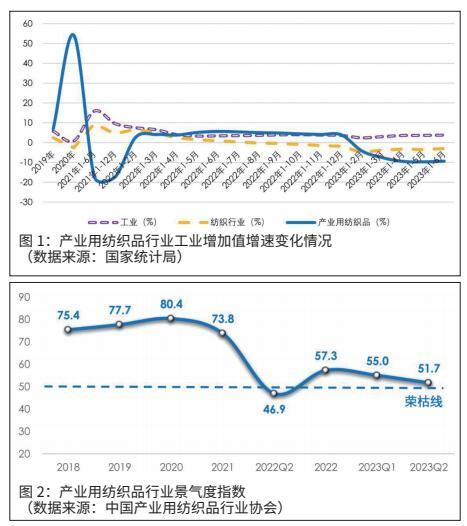

Follow us
Hello, what can we do for you?
Copyright © Xiantao Dexing Plastic Products Co., Ltd / Xiantao Dexing Health Technology Co., Ltd | Powered by:300.cn
SAF Coolest v1.3.1.2 设置面板 FZUSD-ZSNG-OSSQE-ZWE
无数据提示
Sorry, the current column is being updated, please look forward to it!
You can view other columns or returnHome Page